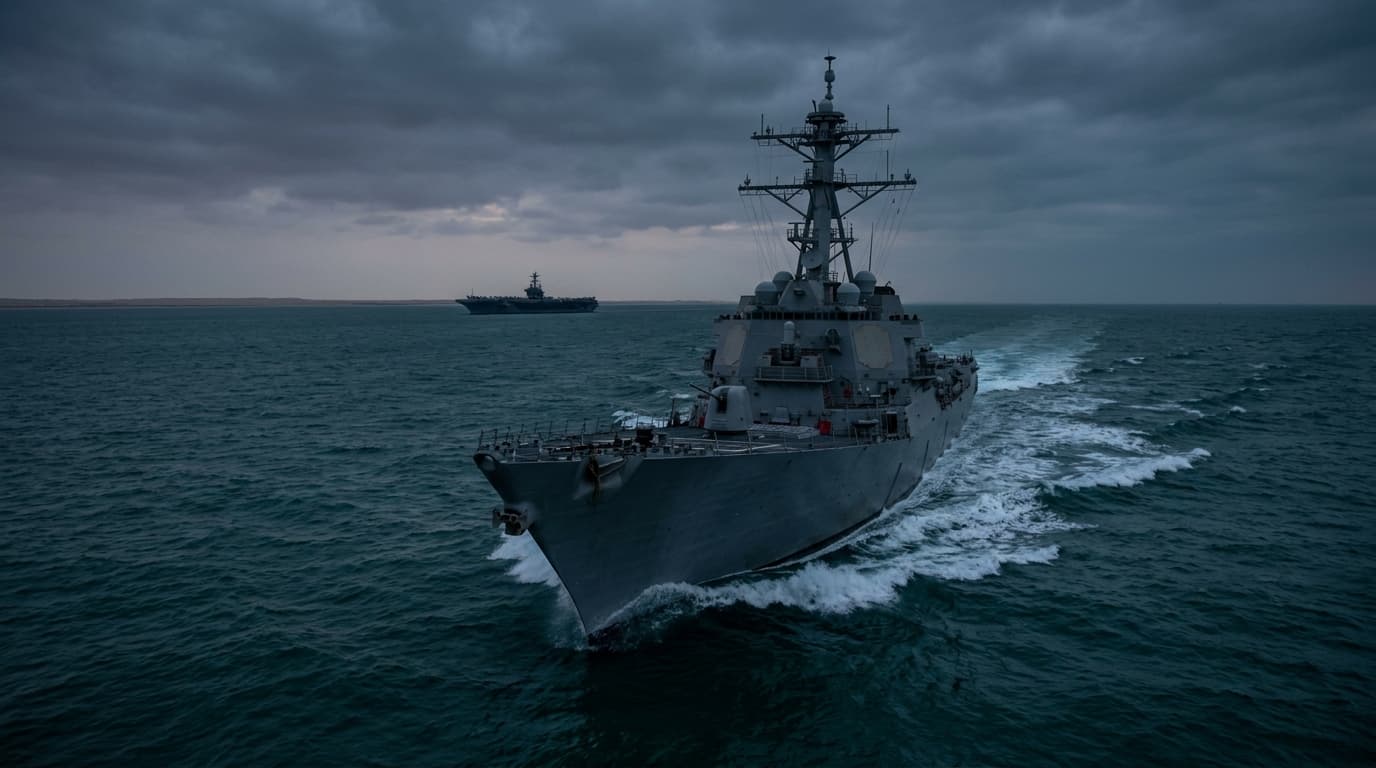
The US naval siege on Iran resumes tonight, as previously announced by the US Army. According to a report, Iran has used the weeks since the previous siege was lifted to export tens of millions of barrels of oil, earning billions of dollars and freeing up storage capacity, making it more resilient to the renewed pressure. The renewed siege is expected to tighten economic pressure on Tehran, but analysts note Iran is entering it better prepared than before.
The US naval siege on Iran resumes tonight at 23:00 Jerusalem, as The Zioneer reported Monday that the US Army announced the blockade would restart at that time. The renewal comes after a period of eased pressure — the previous blockade was lifted in June, and, according to a new analysis published by The Zioneer, Iran used the weeks since to export tens of millions of barrels of oil, earning billions of dollars and freeing up significant storage capacity. As the hourglass of economic pressure turns over, the analysis notes, Tehran enters the renewed siege better prepared than before, with no immediate expectation it will be forced to shut in oil wells due to lack of storage.
The thread leading to tonight's escalation developed rapidly Monday afternoon. At 18:33 Jerusalem, a version reported that the US Navy had announced a blockade of all Iranian coasts; by the same minute, successive updates registered the US having stated the blockade would begin Tuesday at 23:00, the US Army detailing enforcement protocols, and multiple newsrooms — including ynet and the Times of Israel — converging on the same timeline. A CENTCOM statement published that evening provided enforcement statistics from the earlier blockade period (April 13–June 18: 9 vessels disabled, 136 turned back, over 50 humanitarian ships allowed through) and confirmed the resumption at 16:00 ET (23:00 Jerusalem) on July 14. All thread versions from Monday share the same published_at timestamp, indicating a dense period of cross-confirmation within minutes.
As The Zioneer has reported in prior coverage, the blockade is part of a broader US pressure campaign against Iran that has included direct strikes, threats of further escalation, and seizure operations. On June 10, the desk reported President Trump disclosing a secret operation that extracted millions of barrels of Iranian oil. The previous blockade was lifted on June 18, and on June 16 the desk reported that oil exports had resumed as part of a deal between Washington and Tehran. A June 14 bulletin noted Trump was preparing to immediately lift the blockade to prevent an Iranian attack on Israel. The current renewal reverses that de-escalation.
What remains open is whether the renewed blockade will be as effective as the earlier one, given Iran's recent export surge and freed storage capacity. The analysis cited in this report offers a clear assessment of Iran's improved resilience, but actual enforcement outcomes will only be observable once the siege is in effect and maritime traffic patterns change.
12 developments
Source and signal
- Internal intake