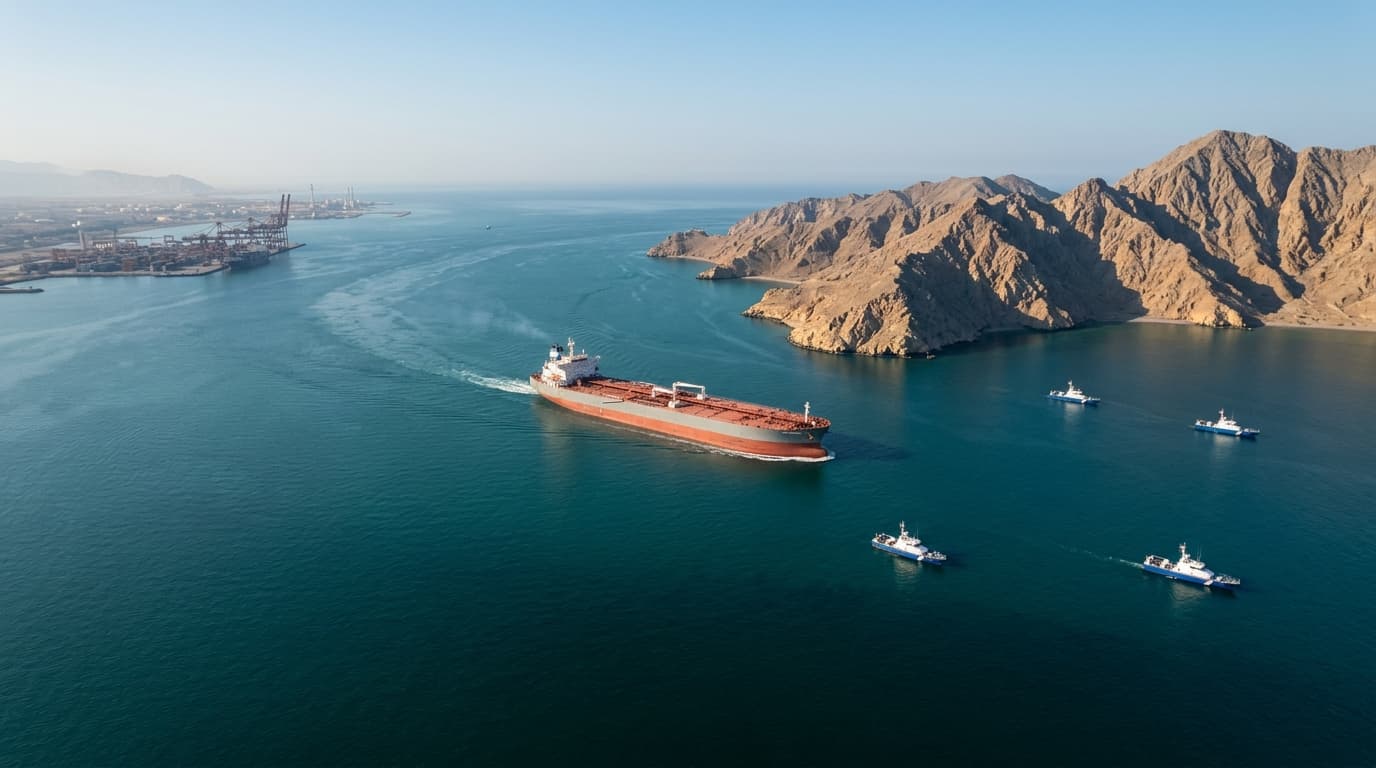
An Iranian source briefed Reuters that a draft memorandum of understanding with the United States would require Tehran to dilute its enriched uranium stockpile and pledge not to develop nuclear weapons. In exchange, the US would lift oil sanctions, release $25 billion in frozen Iranian assets, and remove its naval siege on the Strait of Hormuz, reopening it to commercial shipping. Oversight details would be finalized over the next 60 days, according to the source.
An Iranian source told Reuters that a draft memorandum of understanding being negotiated between Tehran and Washington would set a 60-day framework for nuclear and sanctions relief. The proposal, which adds new detail to the thread, includes a specific commitment by Iran to dilute its enriched uranium stockpile and pledge not to produce or acquire nuclear weapons, in exchange for US lifting oil sanctions, releasing approximately $25 billion in frozen Iranian assets, and ending its naval blockade of the Strait of Hormuz. Oversight and verification mechanisms would be finalized within the 60-day period, according to the source.
The report comes as the latest in a rapid series of developments The Zioneer has tracked throughout the hour. At 13:00, a senior Iranian official first told Reuters that a draft MOU included the $25 billion release and a temporary oil sanctions waiver. Over the following minutes, the same official elaborated: at 13:00, the draft was said to specify domestic uranium dilution within 60 days; at 13:00, it was reported to also include a financial mechanism of direct cash transfers, regional cooperation, and credit lines; and by 13:00, the framework had grown to include temporary oil sanctions relief and the uranium dilution negotiation window. At 13:08, a separate Iranian source briefed Reuters on similar terms — adding that uranium would be diluted domestically and the oversight deadline set at 60 days — and at 13:13, a channel linked to Iran published what it said was the full draft text listing six clauses. The current dispatch, attributed to a single Iranian source, largely aligns with the publicly stated principles of the Islamabad Agreement framework as confirmed by President Trump and senior US officials earlier this week.
As The Zioneer reported on June 12, President Trump confirmed a 60-day ceasefire framework — the Islamabad Agreement — that includes the reopening of the Strait of Hormuz, sanctions relief, and the removal of enriched uranium from Iran. A senior US official later told Israel Hayom that a prior draft of the deal called for the destruction and removal of all enriched nuclear material and a prohibition on Iranian funding of terror organizations. A separate channel linked to Iran published a 14-article version on June 12 that omitted uranium surrender and demanded Israeli withdrawal from Lebanon, while Iranian media reported a $24 billion asset release figure and potential provisions for Lebanon.
What remains open: The precise verification regime for the dilution and removal of enriched uranium, the status of Iran's ballistic missile program, and the scope of any regional ceasefire provisions — including Lebanon — have not been addressed in the cited briefing from the single Iranian source. The US and Israeli positions on these elements have not been publicly reconciled with the Iranian draft terms.
9 developments
Source and signal
- Open-source intake