The Lead
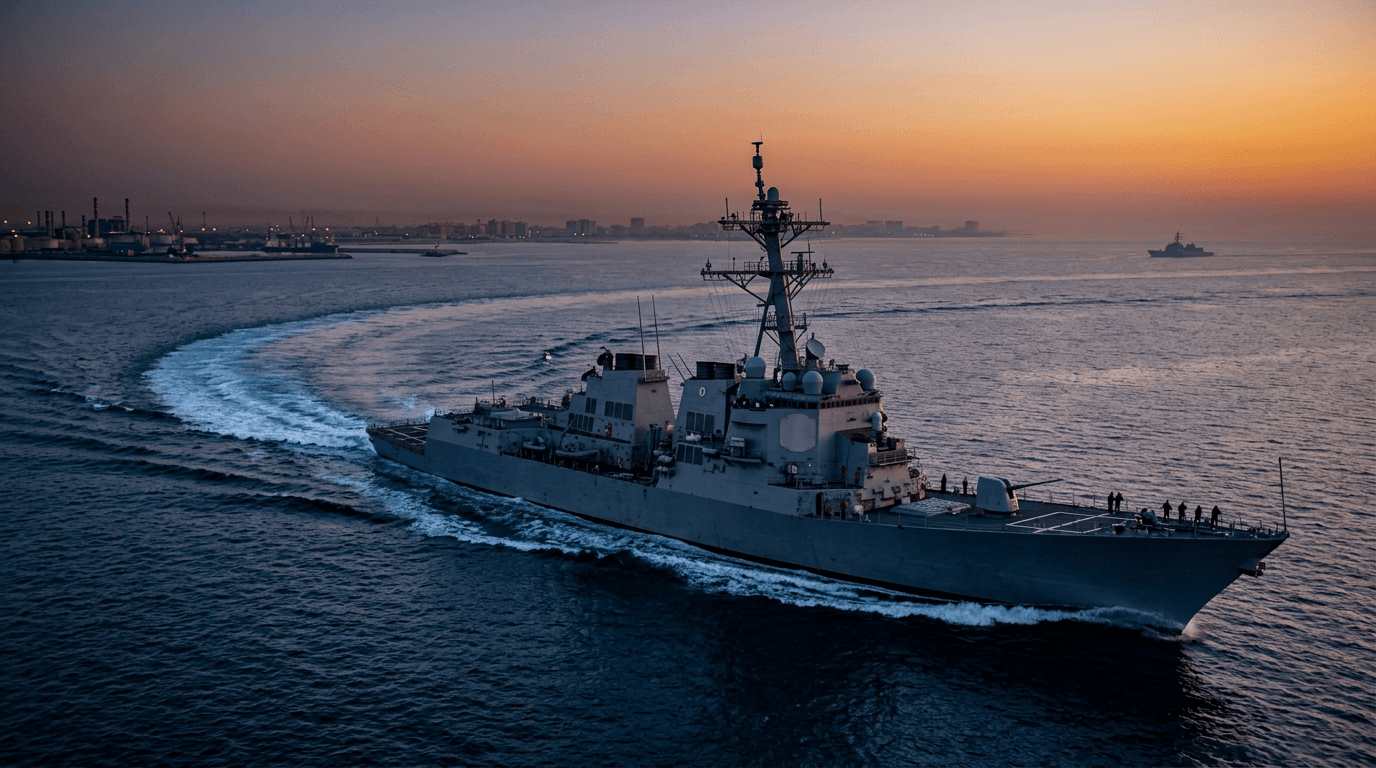
U.S. Central Command (CENTCOM) announced on Thursday evening that it has fully lifted the naval blockade on Iran, marking the formal conclusion of a high-pressure maritime enforcement campaign. The move, executed under the direction of President Donald Trump, is intended to allow the Iranian economy to return to full function as part of a broader diplomatic de-escalation.
The United States military has finalized the withdrawal of its maritime enforcement measures against Iranian ports, according to a formal statement from CENTCOM released Thursday night. This development follows a period of intense naval pressure in the Persian Gulf and represents the full implementation of a directive issued by President Donald Trump to ease regional tensions.
Implementation and Economic Impact The lifting of the blockade is expected to restore unrestricted access to Iranian maritime hubs, which had been largely paralyzed by U.S. interdiction efforts. According to reports reviewed by The Zioneer Intelligence Desk, the removal of these restrictions is specifically designed to permit the Islamic Republic's economy to resume normal operations, including the critical export of oil and the import of industrial goods. Earlier this week, Iranian officials had already begun signaling that the siege was being relaxed, but tonight's announcement serves as the definitive confirmation from the American side.
Strategic Context The naval blockade was a primary tool of U.S. leverage during the recent period of direct kinetic confrontation between Washington and Tehran. During the enforcement period, CENTCOM reported disabling multiple vessels and turning back over 100 others attempting to breach the perimeter. The decision to lift these measures follows the reported progress toward a diplomatic memorandum of understanding, aimed at averting a wider regional conflict that threatened to draw in Israel and other regional allies.
Analysis and Outlook While the lifting of the blockade provides immediate economic relief to Tehran, the long-term security implications for the region remain a subject of intense analysis. The Zioneer Intelligence Desk is monitoring whether this move will lead to a genuine reduction in hostile activity from Iran and its proxies, or if the sudden influx of revenue will be diverted toward further regional destabilization. For Israel, the shift necessitates a recalibration of maritime security assumptions in the Red Sea and the Gulf, as the U.S. transitions from a posture of active containment to one of diplomatic engagement.
2 developments
- The Zioneer Intelligence Desk
- CENTCOM Confirms Interception of Iranian Attack Drones in Strait of HormuzEditorially linked
- Report: Third Oil Tanker Departs Iran, Bypassing U.S. Naval BlockadeEditorially linked
- CENTCOM: Over 20 ships deployed in Iran maritime enforcement, 22 vessels interdictedShared subject
- US Treasury cancels all prior authorizations for Iranian oil exports, deepening sanctionsRelated analysis
- Iranian opposition channels: Mojtaba Khamenei in critical condition, death could come at any moment
- Lebanese president informs government of positive progress in talks with Israel
- Recanati family informs shareholders of plan to sell 29% stake in Maccabi Tel Aviv to Jason Levin
- Russia expands anti-drone netting at nuclear submarine base in Kamchatka