The Lead
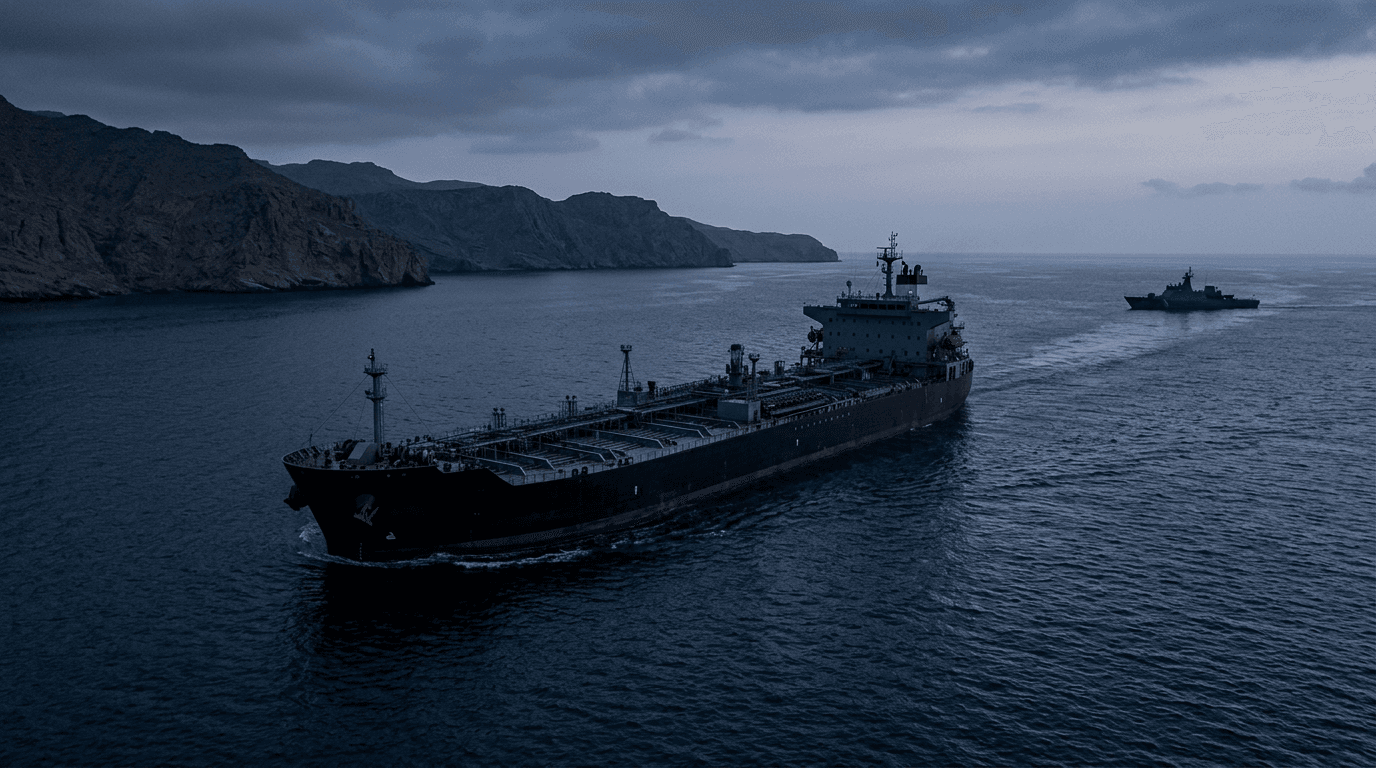
A CNN report on Tuesday evening cites multiple US intelligence agencies as assessing that Iran now possesses the capability to close the Strait of Hormuz at any time of its choosing, and that the United States military lacks the means to forcibly reopen the strategic waterway. The assessment, which reflects a significant shift in the regional balance of power, suggests that Washington has effectively granted Tehran de facto control over one of the world's most critical energy transit points.
The assessment from the US intelligence community marks a stark admission of Iranian maritime dominance in the Persian Gulf. According to the report, the capability to shutter the Strait of Hormuz is no longer a theoretical threat but a realized strategic reality. A senior US official told CNN that this leverage amounts to "a weapon more powerful than any nuclear bomb," emphasizing that any attempt to reopen the straits without Iranian consent would be beyond the current reach of US military force.
Strategic Context and Regional Shift
This development follows a period of intense friction and conflicting reports regarding the status of the waterway. While the Trump administration previously disputed claims of an Iranian blockade, asserting that maritime traffic continued, recent data and intelligence now align with Tehran's own declarations of control. The Zioneer has previously tracked these escalations, including statements from the Iranian Chief of the General Staff claiming that no vessel could pass without permission. This new intelligence consensus appears to validate those claims, suggesting that Iran's missile arsenal and coastal defenses have created a credible deterrent against US naval intervention.
Analysis: The Limits of Force
The core of the intelligence assessment lies in the military impossibility of a forced reopening. Analysts suggest that Iran's significant missile inventory remains largely intact, providing the Islamic Republic with the necessary firepower to deny access to the narrow strait. This reality has forced a pivot in US policy, moving away from the military pressure of "Operation Epic Fury" toward the diplomatic framework of the "Islamabad Agreement." The admission that the US military cannot reopen the waterway by force explains the administration's urgency in finalizing a memorandum of understanding with Tehran, even as it creates friction with regional allies like Israel.
Outlook for Israel and Global Markets
For Israel, the assessment confirms the emergence of a potent Iranian "veto" over global energy markets and regional security. As the US and Iran reportedly move closer to a deal involving sanctions relief and a nuclear freeze, the status of the Strait of Hormuz remains the ultimate bargaining chip. The Zioneer Intelligence Desk will continue to monitor whether this de facto control leads to a permanent Iranian maritime hegemony or if the pending diplomatic agreements will include verifiable mechanisms to restore international shipping rights.
4 developments
- NBC Report: No Oil Tankers Crossed Strait of Hormuz Yesterday, Contradicting Trump and VanceEditorially linked
- US Energy Secretary Acknowledges Strait of Hormuz Remains Closed; Tankers Rely on US NavyShared subject
- CNN obtains classified 14-clause US-Iran deal draft, report saysShared subject
- Senior US Official: Strait of Hormuz to Reopen 'With No Tolls' Under Framework DealRelated analysis
- Iranian opposition channels: Mojtaba Khamenei in critical condition, death could come at any moment
- Spain threatens to impose similar restrictions on Italian travelers; Italy refuses to back down
- Lebanese president informs government of positive progress in talks with Israel
- Recanati family informs shareholders of plan to sell 29% stake in Maccabi Tel Aviv to Jason Levin