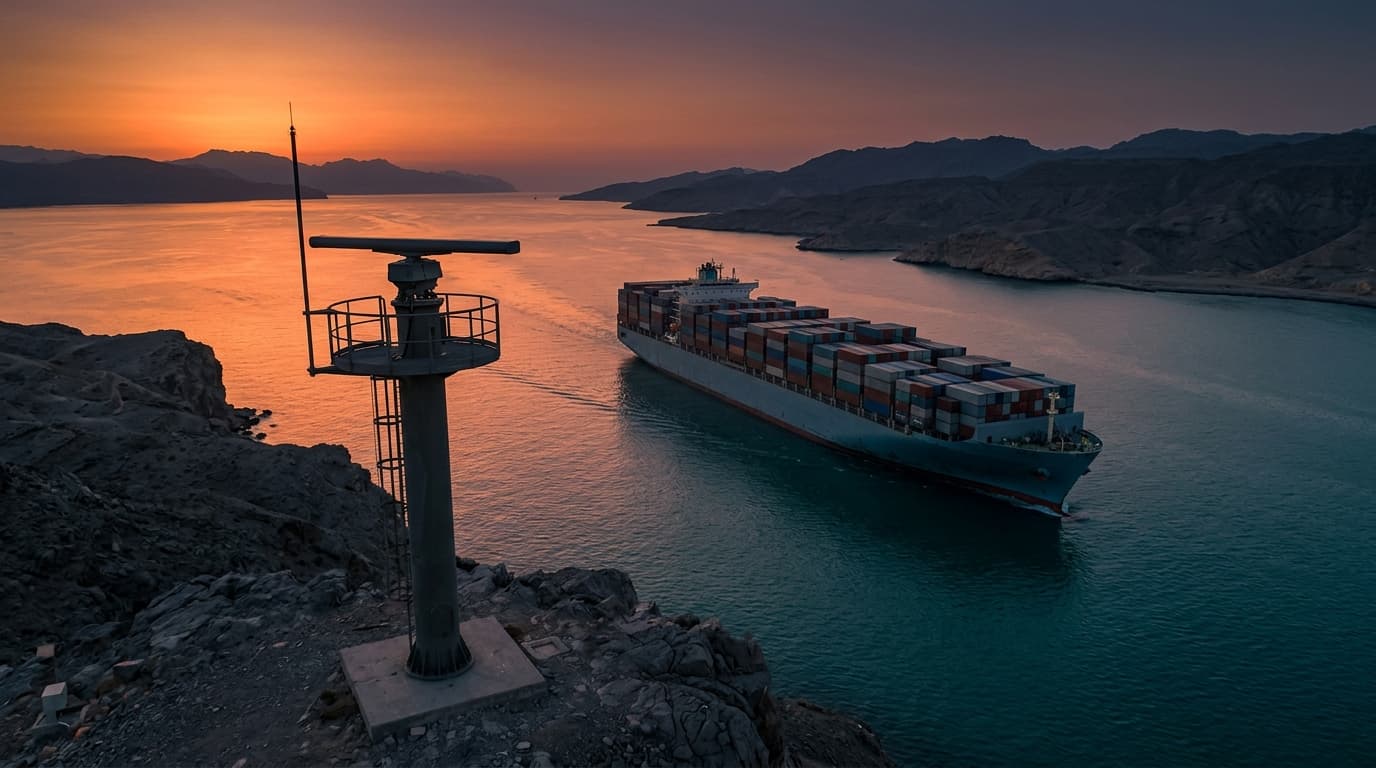
The Lead
Iran has officially confirmed the implementation of transit tolls for vessels transiting the Strait of Hormuz, marking a significant escalation in its efforts to assert sovereign control over the world's most critical maritime chokepoint. According to reports from the IRGC-linked Fars News Agency on Thursday, the toll system will be framed as payment for various maritime services provided by the Islamic Republic.
The Iranian announcement signals a formalization of a policy that has been a source of intense regional and international friction. According to a source familiar with the details who spoke to the Fars News Agency, the transit through the strait will initially be divided into two primary routes: a northern route near the Iranian coast for entry, and a southern route near Oman for exit.
Framework for Toll Collection
Under the newly confirmed framework, the fees collected from ships will be categorized as payments for services. These services reportedly include insurance, fueling, environmental fees, and other related maritime provisions. The specific amount charged to each vessel will depend on several variables, including the scope of services Iran is capable of providing to the transiting ship. This framing appears intended to provide a legalistic veneer to what international observers have previously characterized as a unilateral challenge to the status of the strait as international waters.
Context and Strategic Implications
This development follows a period of conflicting signals regarding the waterway. As The Zioneer reported in June, Iran had previously notified Washington it would not collect such tolls, following weeks of heightened tension and even reports of missile strikes on commercial vessels. However, the current announcement aligns with earlier claims by the Iranian Foreign Ministry that the strait is governed by bilateral agreements with Oman rather than international maritime law. By moving to the implementation phase, Tehran is effectively attempting to establish a new reality on the ground—one where it extracts financial and political concessions from the global shipping industry.
Outlook
The official confirmation of toll collection poses a direct challenge to the principle of freedom of navigation. While Iran frames the move as a service-based fee, the international community, particularly the United States and its allies, has historically rejected any Iranian claim to sovereign jurisdiction over the transit of foreign vessels. The implementation of these tolls may lead to renewed maritime friction and legal disputes, as shipping companies and sovereign states weigh the costs of compliance against the risks of Iranian enforcement actions in the strategic chokepoint.
2 developments
- IRGC demands 7% transit fee for all vessels passing through Strait of HormuzEditorially linked
- Iran officially announces it will collect Strait of Hormuz tollsShared subject
- Iran claims US recognized its right to collect Strait of Hormuz tolls after 60-day grace periodShared subject
- Iranian Negotiating Team Member Warns: 'You Will Pay at Hormuz — That Is Final'Related analysis
- Police official says no Bedouin battalion organizing is known after Shin Bet warning
- Special court for October 7 suspects not established; first verdict forecast for 2030
- France’s foreign minister attends Israeli memorial ceremonies, skips official meetings
- Report says Houthis have tightened control around Yemen’s Taiz