The Lead
A source on the Iranian negotiating team stated Sunday that the Strait of Hormuz will not be reopened unless Israel is restrained in Lebanon, according to reports from the semi-official Tasnim News Agency and regional outlets. The statement marks the latest and most explicit linkage Tehran has drawn between the status of the world's most critical maritime chokepoint and Israeli military operations against Hezbollah.
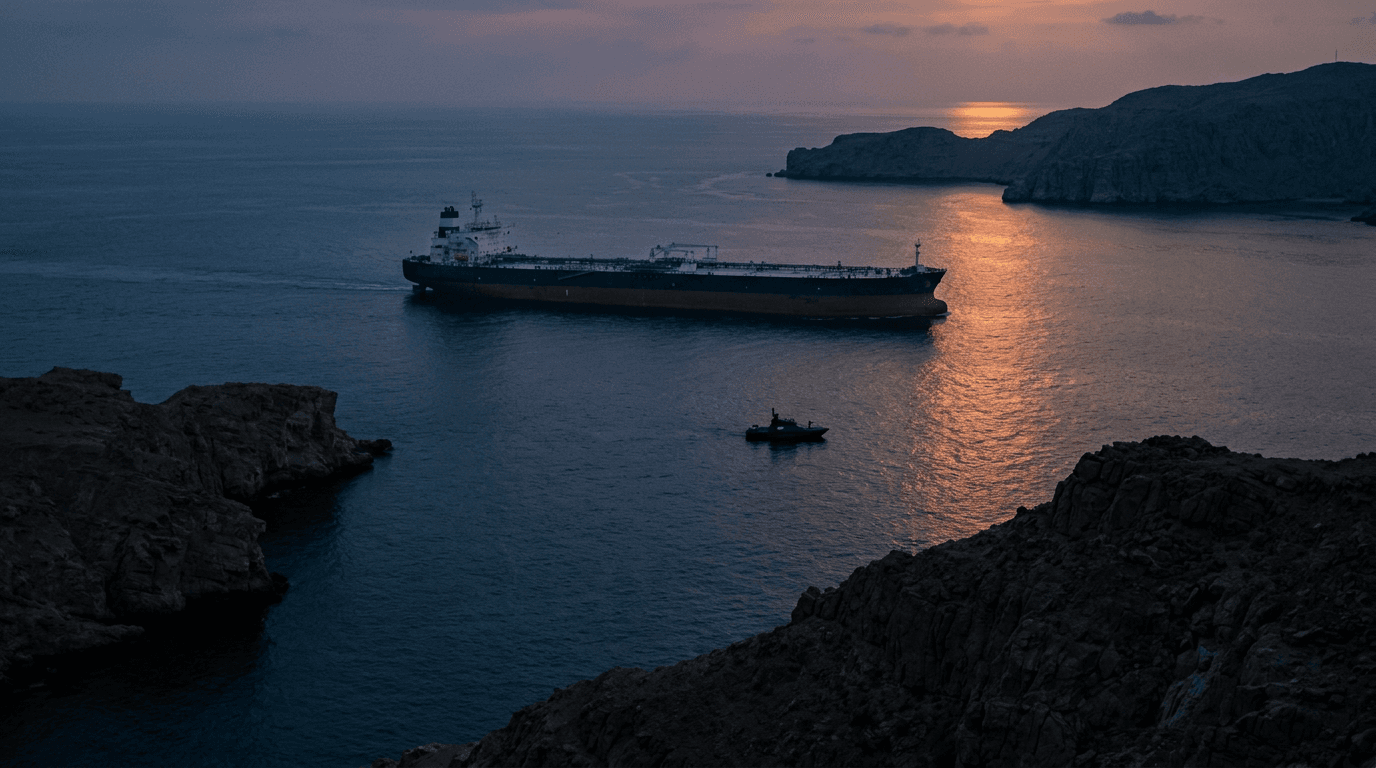
The Iranian regime has significantly escalated its diplomatic and maritime pressure, conditioning the reopening of the Strait of Hormuz on a cessation of Israeli military activity in Lebanon. According to a source close to the Iranian negotiating team cited by the Tasnim News Agency—which is affiliated with the Islamic Revolutionary Guard Corps—the waterway will remain closed until Lebanon's territorial integrity is guaranteed and an Israeli withdrawal is secured.
Multi-Front Conditions
Tehran’s demands, as detailed in reports reviewed by The Zioneer Intelligence Desk, extend beyond the northern front. The Iranian source specified that reopening the Strait is contingent upon a "first stage" of a memorandum of understanding, which includes the release of frozen Iranian assets in Qatar and the removal of the American naval blockade. Crucially, the source emphasized that the lifting of the blockade alone is insufficient; Iran is demanding full authorization for its oil and petrochemical exports as a prerequisite for maritime normalization.
Strategic Leverage
By citing specific articles of an apparent diplomatic memorandum (Articles 1, 5, and 13), the Iranian side is signaling that it views the Strait of Hormuz as its primary leverage against both Washington and Jerusalem. The source warned that if Israeli operations in Lebanon persist, negotiations on other matters will not advance. This position directly challenges the reported U.S. framework, which has sought to separate regional maritime security from the ongoing kinetic conflict between Israel and Iranian proxies.
Analysis and Outlook
This development underscores the fragility of the current diplomatic track. While the United States and Iran have reportedly moved closer to a formal agreement, Tehran is utilizing its control over the Persian Gulf's entrance to force a change in Israeli security policy. For Israel, the demand for restraint in Lebanon represents a direct interference with its stated objective of dismantling Hezbollah's infrastructure. The situation remains developing as the international community monitors whether the U.S. will accept this linkage or maintain its pressure on the Iranian regime to decouple the maritime and territorial theaters.
6 developments
- The Zioneer Intelligence Desk