The Lead
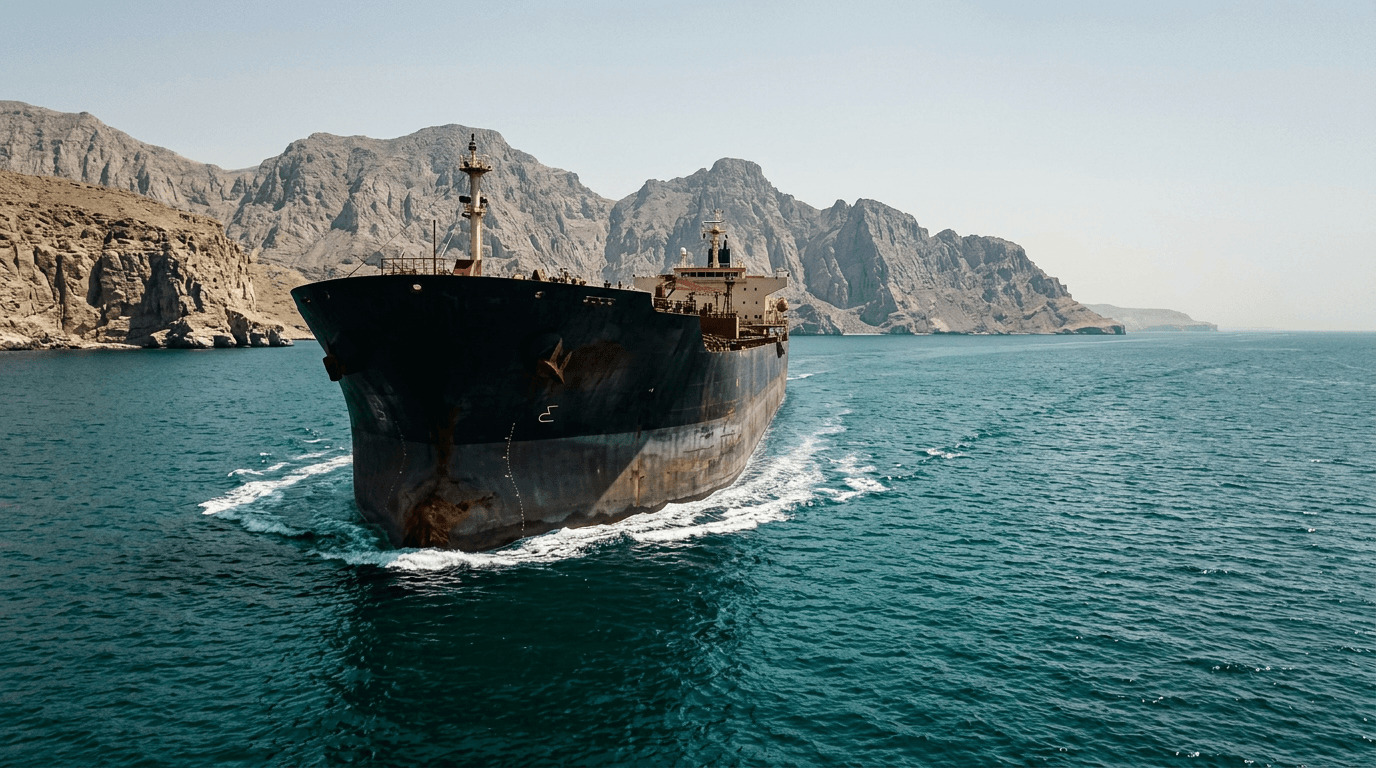
The Islamic Revolutionary Guard Corps (IRGC) announced on Saturday afternoon the immediate closure of the Strait of Hormuz to maritime traffic, citing alleged American and Israeli violations of recent diplomatic understandings regarding Lebanon. The move, framed by Tehran as a response to the continued IDF presence and operations in Southern Lebanon, marks a severe escalation that threatens the stability of global energy markets and regional security.
The announcement was issued by the Iranian Khatam al-Anbiya Headquarters, a central command body within the Iranian armed forces, and disseminated through state-linked channels around 16:12 Jerusalem time. According to the statement, the closure is a direct consequence of what Tehran describes as a "blatant violation" by the United States of its commitments, specifically regarding the first clause of the memorandum of understanding intended to end the war.
Lebanon Linkage and Allegations
Tehran's justification for the blockade centers on the situation in Southern Lebanon. The IRGC claims that the "Israeli entity" has failed to adhere to ceasefire terms, alleging continued strikes and the failure of "occupation forces" to withdraw from Lebanese territory. The statement further asserts that these actions have led to significant displacement and casualties among the Lebanese population. By linking the Strait of Hormuz—the world's most critical maritime chokepoint—to the tactical situation on Israel's northern border, Iran is attempting to leverage global economic pressure to force a change in Israeli military posture.
Strategic Escalation
This development follows weeks of friction regarding the 'Islamabad Agreement' and the status of maritime transit. While the strait was scheduled for a full reopening under international supervision, the IRGC now characterizes this closure as a "first step." The Iranian command warned that additional measures are being planned and will be implemented if "aggression" continues, suggesting that the blockade could expand or intensify if their demands are not met.
Analysis and Outlook
The Zioneer Intelligence Desk notes that this move represents a significant challenge to the U.S. administration's regional diplomatic framework. By unilaterally declaring the waterway closed, Iran is testing the resolve of both Washington and Jerusalem. For Israel, the linkage of the northern front to the Persian Gulf underscores the IRGC's "unity of arenas" strategy. Observers are now watching for a response from U.S. Central Command (CENTCOM) and whether the Iranian navy will attempt to kinetically enforce the blockade against commercial vessels already in the area.
13 developments
- The Zioneer Intelligence Desk