The Lead
Prime Minister Benjamin Netanyahu has directly informed U.S. President Donald Trump that Israeli forces will not withdraw from Lebanon, reinforcing Jerusalem's stance on maintaining a security buffer despite regional diplomatic shifts. In response, President Trump stated that the issue would be resolved "quickly," though he did not specify the mechanisms for such a resolution.
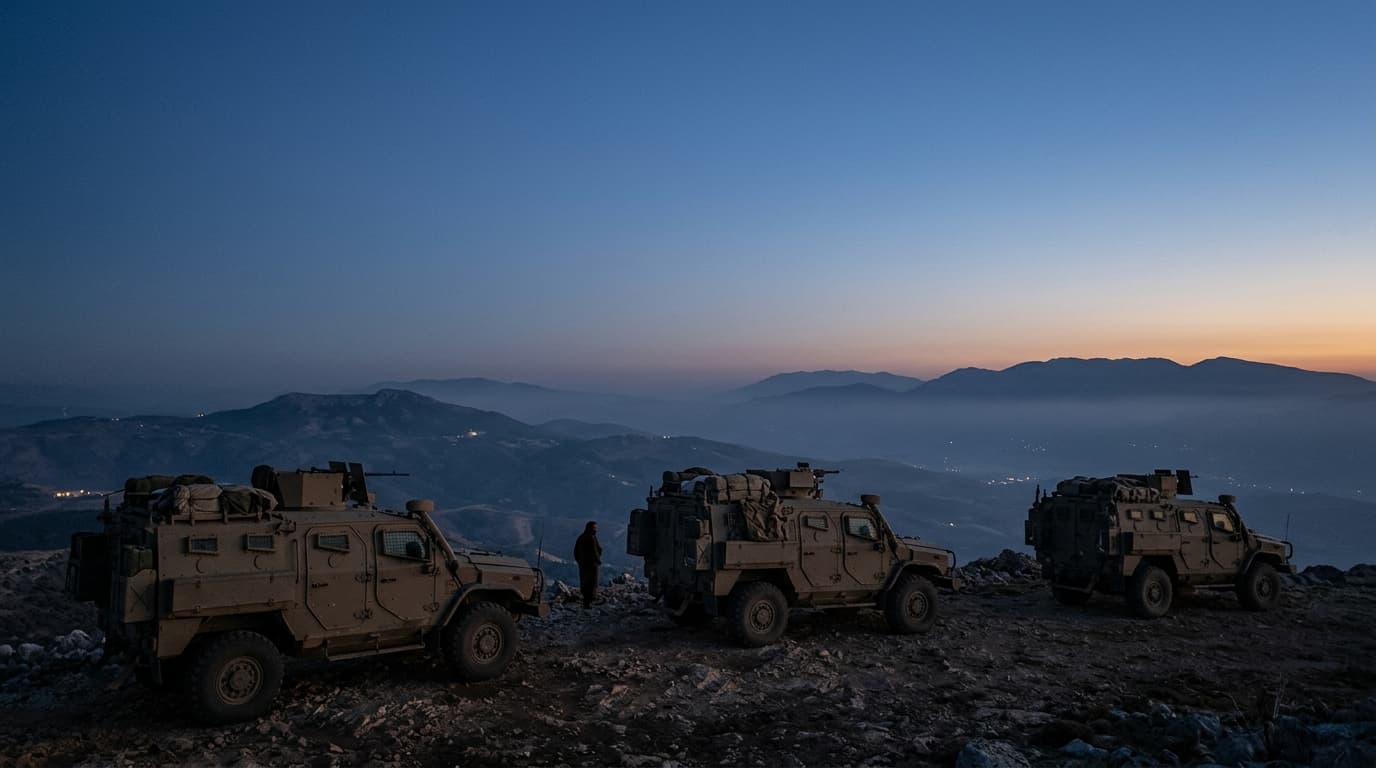
The exchange between the two leaders, reported late Monday night, marks a significant moment of strategic clarification regarding the northern front. Prime Minister Netanyahu's message to the White House underscores Israel's commitment to the security zone in southern Lebanon as a non-negotiable requirement for the safety of northern residents. This follows a joint consultation earlier today where Netanyahu, alongside Defense Minister Katz and IDF Chief of Staff Lt.-Gen. Zamir, declared that withdrawal is not on the agenda.
Strategic Friction and the Islamabad Agreement
The diplomatic backdrop to this exchange is the 'Islamabad Agreement,' a memorandum of understanding between the United States and Iran that has created visible friction between Jerusalem and Washington. While the U.S. has pivoted toward a regional diplomatic framework, Israel has consistently signaled that it is not bound by clauses requiring a withdrawal from Lebanon. Netanyahu’s direct communication to Trump appears aimed at ensuring that Israel's operational freedom and its physical presence in the security buffer remain intact, regardless of broader U.S.-Iran negotiations.
Trump’s Response: 'I Solve Problems'
When questioned by reporters about Netanyahu's refusal to withdraw, President Trump maintained his characteristic confidence in personal diplomacy. "We'll check it out," Trump said, according to material reviewed by The Zioneer Intelligence Desk. "I won't tell you how I'll solve it, but I solve problems, I solve problems quickly, including Bibi." The statement reflects the President's preference for direct deal-making over traditional diplomatic processes, though it leaves the specific fate of the Lebanon buffer zone in a state of 'Developing' uncertainty.
Analysis and Outlook
For Israel, the primary challenge remains the separation of the Lebanon front from the ongoing U.S. negotiations with Tehran. Security officials have warned against allowing the two issues to become linked, which could pressure Israel into concessions in Lebanon to facilitate a broader American-Iranian deal. The current stance—maintaining a physical presence while refraining from strikes if a ceasefire holds—suggests a policy of 'active containment.' Observers will now be watching whether Trump’s promised 'quick' solution involves pressuring Israel to adjust its footprint or pressuring regional actors to accept the new Israeli reality.
4 developments
- Netanyahu Tells Trump: Israel Will Not Withdraw from Lebanon or Abandon the NorthRelated analysis
- Netanyahu: Israeli forces are not leaving LebanonRelated analysis
- Trump says he'll 'take a look' at Netanyahu's claim Israel will keep troops in LebanonRelated analysis
- U.S. Official: Netanyahu '100% Agreed' to Renew Lebanon CeasefireRelated analysis