The Lead
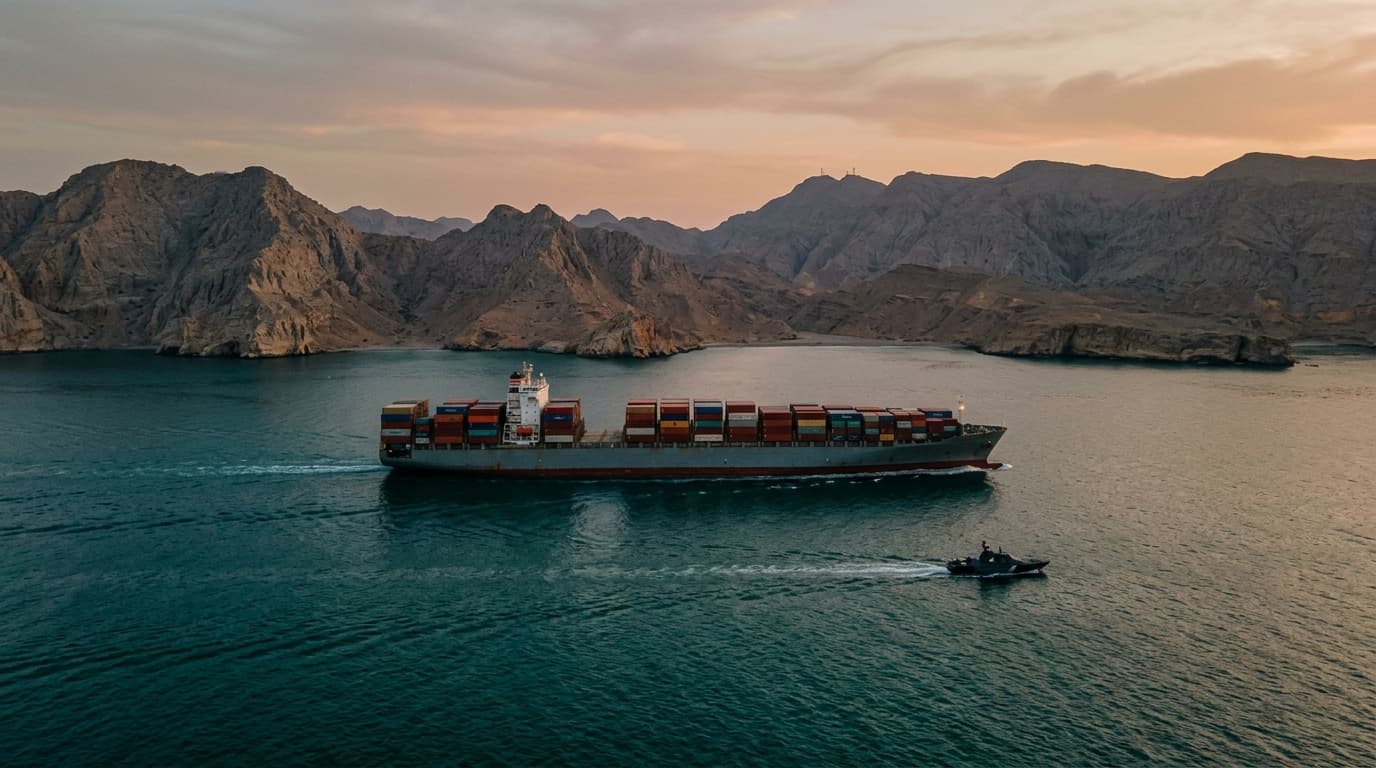
Iran and Oman are reportedly nearing a final agreement on the future management of the Strait of Hormuz, a move that could cement Tehran's de facto control over the world's most critical maritime chokepoint. According to a report by The New York Times on Tuesday, the proposed arrangement would formalize a new traffic pattern and introduce a system of service fees for vessels traversing the waterway.
Under the terms of the emerging deal, shipping lanes would be divided by direction: vessels entering the Persian Gulf would pass through waters controlled by Iran, while outgoing vessels would utilize a lane closer to the Omani coast. While the agreement reportedly avoids the term 'tolls,' it introduces 'service fees' intended to cover environmental protection, security, and personnel costs. These revenues would be split equally between Iran and Oman.
Strategic Shift in the Strait
This development follows months of volatility in the region. As The Zioneer reported earlier this year, the Strait of Hormuz became a central theater of confrontation between the United States and Iran, leading to a maritime blockade and Iranian claims of sovereign rights to collect fees. While a diplomatic framework announced by the U.S. in August 2026 aimed to reopen the waterway without tolls, the current report suggests a reality where Iran maintains a regulatory and financial stake in all transit.
Competing Accounts and Implementation
Regional sources have provided varying accounts of the negotiations. While some reports indicate Iran initially responded positively to a temporary shipping route, others suggest that the Islamic Revolutionary Guard Corps (IRGC) has demanded guarantees against future strikes and the removal of oil sanctions as a condition for final approval. The involvement of Oman, a traditional regional mediator, appears intended to provide a layer of diplomatic legitimacy to the new administrative plan. Analysts note that by framing the payments as service fees rather than tolls, the littoral states may be attempting to bypass international legal protections for free transit passage.
5 developments
- The Zioneer Intelligence Desk
- Minister Karhi accuses High Court of 'taking Israel to the darkness of the Middle Ages'
- Main suspect in Beniahu Razi murder claims self-defense, police skeptical
- IRGC reportedly strikes vessel near Strait of Hormuz; claims ship violated instructions
- Eisenkot Urges Police Commissioner to Act After Attack on Yashar Activist