The Lead
The Trump administration is exerting significant pressure on both Israel and Syria to resume direct negotiations toward a bilateral security agreement, according to reports emerging Thursday. The diplomatic push reportedly includes American demands for Israeli compromises to facilitate progress, while Syria has conditioned its participation on an Israeli withdrawal from southern positions to the 1974 international border lines.
Diplomatic Pressure and Demands
According to material reviewed by The Zioneer Intelligence Desk, the Trump administration is actively seeking to open a Syrian track for security negotiations. This effort is reportedly running parallel to ongoing diplomatic channels involving Lebanon. Sources familiar with the details indicate that Washington is pressing the Israeli government to show flexibility and offer compromises to break the current deadlock.
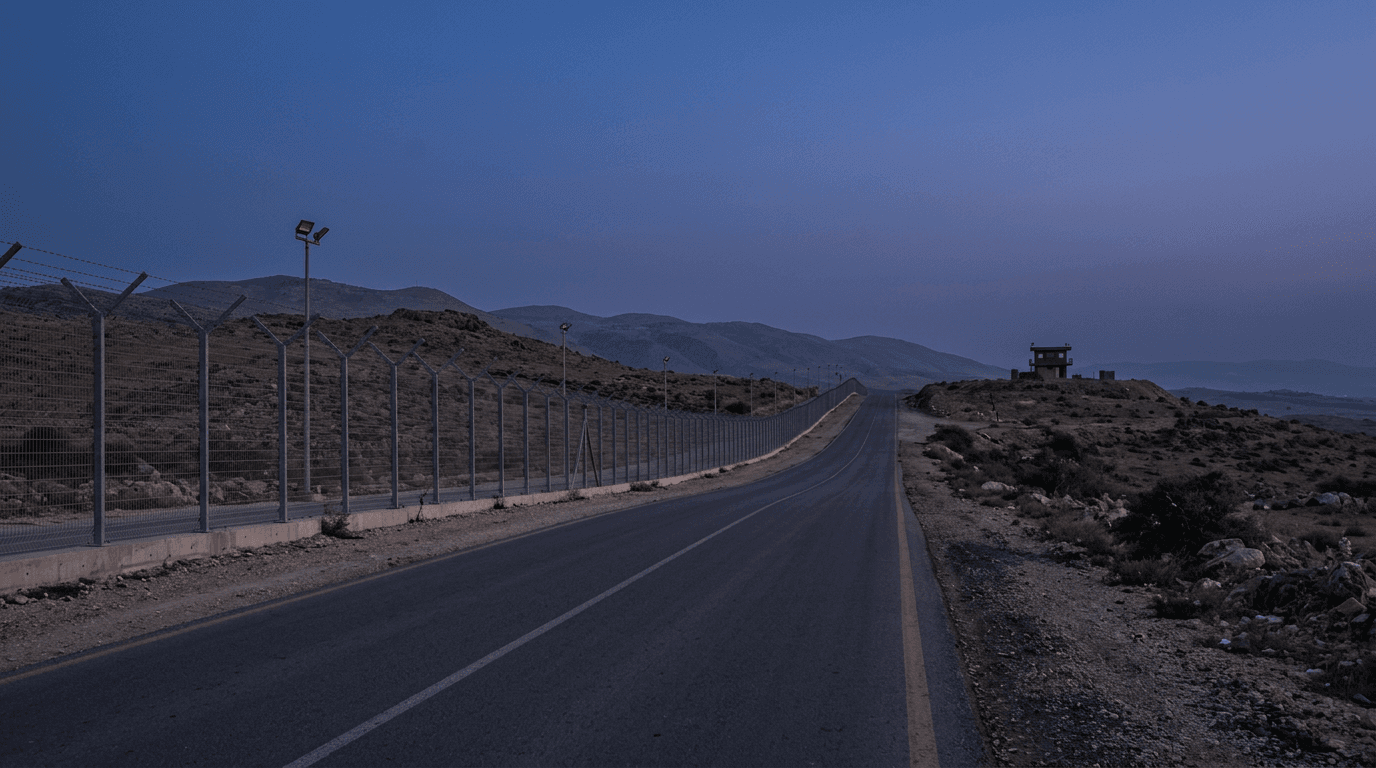
On the other side of the border, the Syrian regime has articulated a clear set of demands as a prerequisite for progress. Damascus is reportedly insisting on a full Israeli withdrawal from southern areas and a return to the international border lines established in 1974. This demand represents a significant hurdle, as it touches upon sensitive security zones and long-standing territorial status in the region.
Strategic Context and Analysis
This development follows recent reports of President Trump’s broader regional strategy, which has included public and private pressure on Israel regarding its northern front. Earlier this week, reports indicated that the U.S. administration had urged Israel to allow Syria to take a more prominent role in handling Hezbollah-related security issues. The current push for a formal security agreement suggests a desire by Washington to stabilize the Israeli-Syrian border through a structured diplomatic framework rather than relying solely on kinetic deterrence.
However, the gap between the parties remains substantial. While the U.S. views these talks as a means to reduce regional friction, the Syrian demand for a return to 1974 lines poses a direct challenge to Israel's current security posture in the north. The Zioneer Intelligence Desk notes that while the reports of pressure are strong, neither the Israeli Prime Minister’s Office nor the Syrian government has officially confirmed the resumption of direct talks.
Outlook for the Northern Front
The potential opening of a Syrian track adds a new layer of complexity to Israel's multi-front security challenges. If negotiations proceed, they will likely be closely linked to the broader effort to distance Iranian-backed forces from Israel's borders. Observers should watch for official Israeli responses to the American demand for compromises and whether any preliminary security understandings are reached regarding the 1974 border framework.
2 developments
- Lebanese President Aoun calls on judiciary to expedite Beirut port blast indictment
- IDF targets vehicle on Gaza City's Al-Rashid Street after day of quiet, casualties reported
- Analysis: Major US-led campaign against Iran could begin in coming days, assessment says
- Senior source tells Al-Arabiya: Iranian FM's visit to Islamabad imminent