The Lead
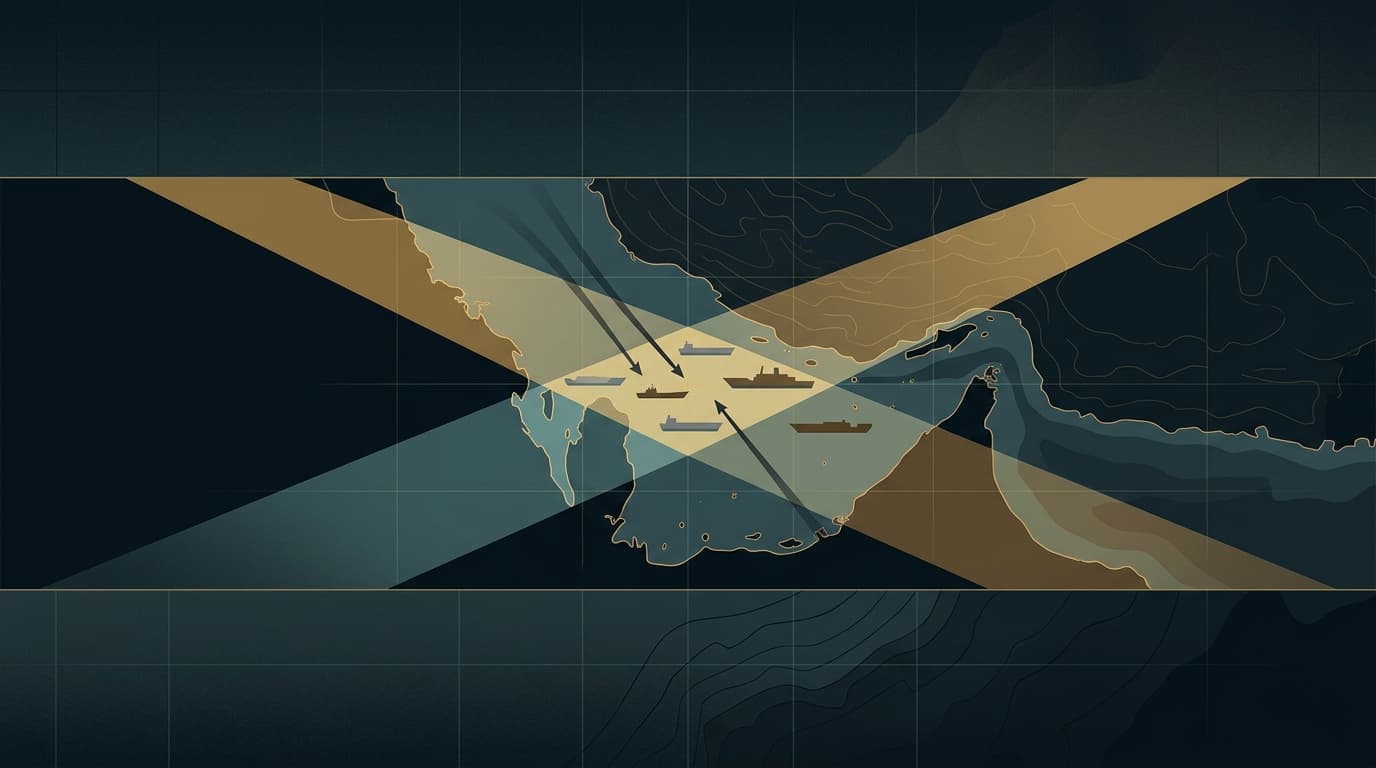
New reports emerging from regional sources indicate that cruise missiles have struck vessels in the open waters of the Gulf, though analysts now caution that the targeted ships may not necessarily be American. While earlier claims specifically identified a U.S. Navy destroyer as the target of an Iranian 'Abu Mahdi al-Muhandis' cruise missile, subsequent intelligence reviews suggest a more complex and unverified situation on the ground.
Shifting Reports on Naval Impacts
Following a series of high-intensity kinetic exchanges between the United States and the Islamic Revolutionary Guard Corps (IRGC), the maritime situation in the Gulf remains volatile. According to material reviewed by The Zioneer Intelligence Desk, initial reports circulated in Hebrew and Arab media suggested a direct hit on a U.S. Navy vessel. These reports specifically cited the use of the 'Abu Mahdi al-Muhandis' cruise missile, a long-range anti-ship weapon frequently highlighted by Iranian state media as a strategic deterrent against Western naval presence.
However, The Zioneer’s Arabic desk analyst, Abu Saleh, has since added a significant caveat to these claims. While it appears confirmed that cruise missiles were launched and impacts were recorded, it is no longer certain that the vessels involved were American assets. This distinction is critical as the region navigates a direct military confrontation between Tehran and Washington that has escalated throughout June 2026.
Context of the Maritime Escalation
This development follows a period of unprecedented direct warfare. As documented in prior coverage by The Zioneer, the conflict transitioned from proxy-led harassment to direct kinetic strikes after the downing of a U.S. helicopter and subsequent American retaliatory strikes on Iranian military infrastructure along the southern coast. The current environment is characterized by a high volume of anti-ship missile launches and reported interceptions near the Strait of Hormuz and the island of Qeshm.
Iranian-affiliated channels have consistently claimed successful strikes on Western targets as part of a broader psychological warfare campaign. Conversely, the U.S. military has historically denied such claims, as seen in previous incidents during May 2026 where Iranian state media assertions of hits on American warships were refuted by Washington.
Analysis and Strategic Outlook
The lack of visual evidence or official confirmation from U.S. Central Command (CENTCOM) places these reports in the 'Developing' category. The possibility remains that the missiles struck commercial vessels or other regional naval assets, or that the claims of impact are part of an exaggerated narrative by pro-Iranian sources.
For Israel and the broader international community, the stakes involve the continued freedom of navigation in one of the world's most vital energy corridors. If a U.S. warship were indeed struck, it would represent a significant escalation in the direct war between the Islamic Republic and the United States. For now, the picture remains obscured by the fog of war, with the only certainty being the continued use of advanced cruise missile technology by the IRGC in the current theater.
4 developments
- Missile Launches Reported from Shiraz Toward the Persian GulfEditorially linked
- Iranian Reports Claim Tomahawk Cruise Missiles Launched Amid EscalationShared subject
- US Navy Warship USS Michael Murphy Launches Missiles at Targets in IranShared subject
- Iranian Official Claims US Missile Strike Hit Cruise Ship in Gulf of OmanRelated analysis
- Iranian opposition channels: Mojtaba Khamenei in critical condition, death could come at any moment
- Lebanese president informs government of positive progress in talks with Israel
- Recanati family informs shareholders of plan to sell 29% stake in Maccabi Tel Aviv to Jason Levin
- Russia expands anti-drone netting at nuclear submarine base in Kamchatka