The Lead
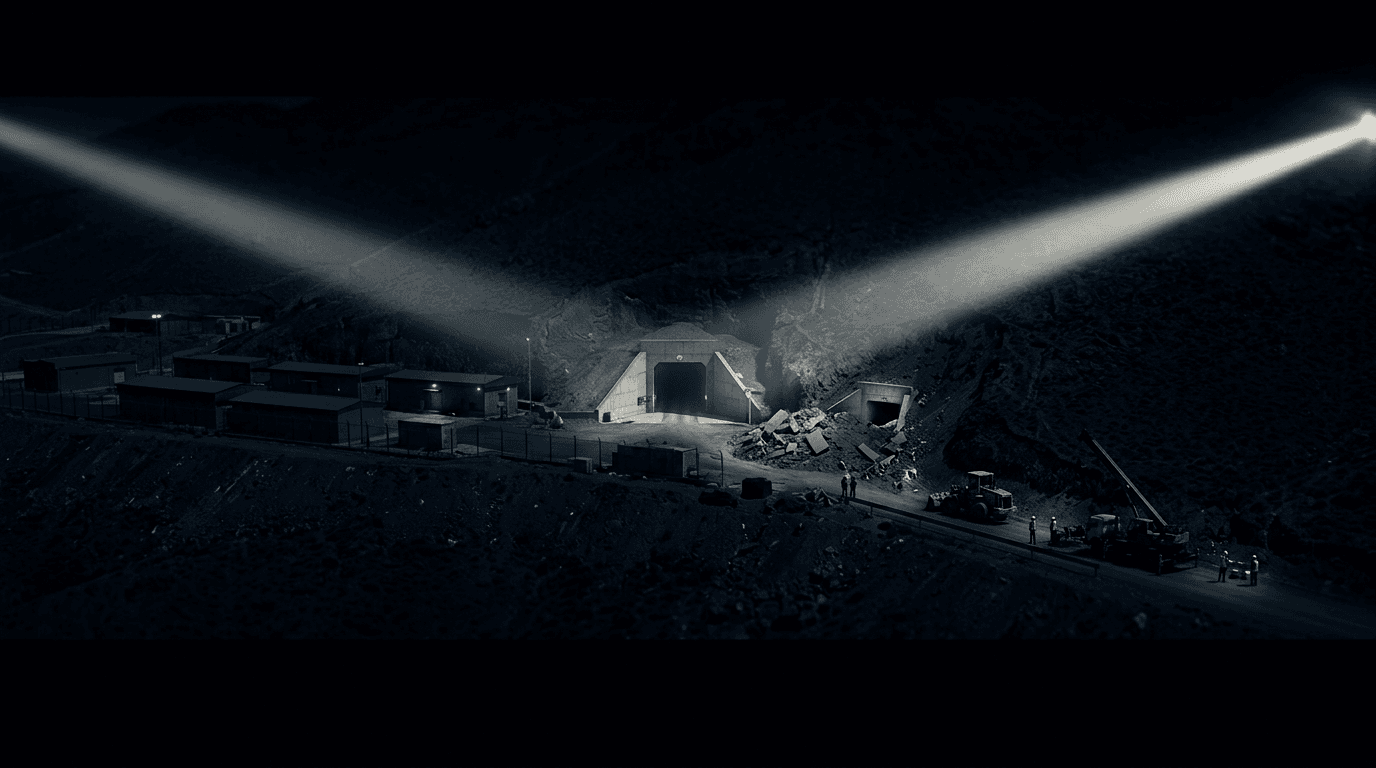
New satellite imagery has revealed that two entrances to Iran's Kermanshah Underground Missile Facility (UGF) were damaged or destroyed during Israeli Air Force strikes on June 8. The imagery, reviewed by The Zioneer Intelligence Desk, shows that while the strikes achieved direct hits on the hardened access points of the strategic site, Iranian forces managed to clear the debris and reopen the entrances within three days of the operation.
Precision Strikes on Strategic Infrastructure
Recent commercial satellite imagery provides a clear look at the aftermath of the Israeli Air Force (IAF) strikes targeting the Kermanshah province in western Iran. The Kermanshah Underground Missile Facility (UGF) is a known strategic hub for the Islamic Revolutionary Guard Corps (IRGC), serving as a primary storage and launch site for ballistic missiles. The imagery confirms that at least two of the facility's hardened tunnel entrances sustained significant damage, with visible craters and debris blocking the access points immediately following the June 8 strikes.
This development follows prior reports of kinetic activity in the region, including the destruction of a transporter erector launcher (TEL) near the same facility. As documented in earlier coverage by The Zioneer, that launcher appeared to have been struck while in the open, possibly before it could be moved into the protection of the underground complex.
Rapid Iranian Recovery Efforts
Analysis of the temporal sequence of the imagery indicates a high priority placed by the IRGC on maintaining the operational status of the Kermanshah site. Within 72 hours of the strike, the debris at the affected entrances was cleared, and the access points were reopened. This rapid recovery suggests that while the IAF successfully targeted the "threshold" of the facility, the internal underground infrastructure may remain intact or at least accessible for ongoing operations.
Kermanshah has long been a focal point of Iran's missile program due to its proximity to regional targets and its rugged terrain, which provides natural cover for the IRGC's "missile cities." The ability to quickly restore access to these tunnels is a key component of Iran's national resilience strategy, aimed at preserving its second-strike capability during sustained conflict.
Analysis and Strategic Context
The targeting of tunnel entrances represents a specific tactical choice in the broader air campaign. By collapsing the entrances, the IAF can effectively "seal" a facility, trapping equipment and personnel inside and preventing the rollout of missile launchers. However, the confirmed reopening of these sites within days highlights the limitations of such strikes against deeply buried and well-resourced facilities unless the strikes are followed by persistent surveillance or secondary attacks.
As of June 14, the situation remains developing. While the physical damage to the entrances is confirmed by visual evidence, the extent of any internal damage to the missile stockpiles or command centers remains inferred rather than verified. The Zioneer will continue to monitor satellite updates for signs of further structural reinforcement or renewed activity at the site.
- Satellite Imagery Shows Iranian Drone Strike Destroyed US Radar Site in BahrainEditorially linked
- Satellite imagery shows destroyed missile launcher near Iran's Kermanshah underground facilityShared subject
- Reports: US Strike Wave Damages Structure Near Bushehr Nuclear ReactorRelated analysis
- Satellite imagery shows Isfahan nuclear facility tunnel entrances still buried under rubble a year after strikesRelated analysis
- Iranian opposition channels: Mojtaba Khamenei in critical condition, death could come at any moment
- Lebanese president informs government of positive progress in talks with Israel
- Recanati family informs shareholders of plan to sell 29% stake in Maccabi Tel Aviv to Jason Levin
- Russia expands anti-drone netting at nuclear submarine base in Kamchatka