The Lead
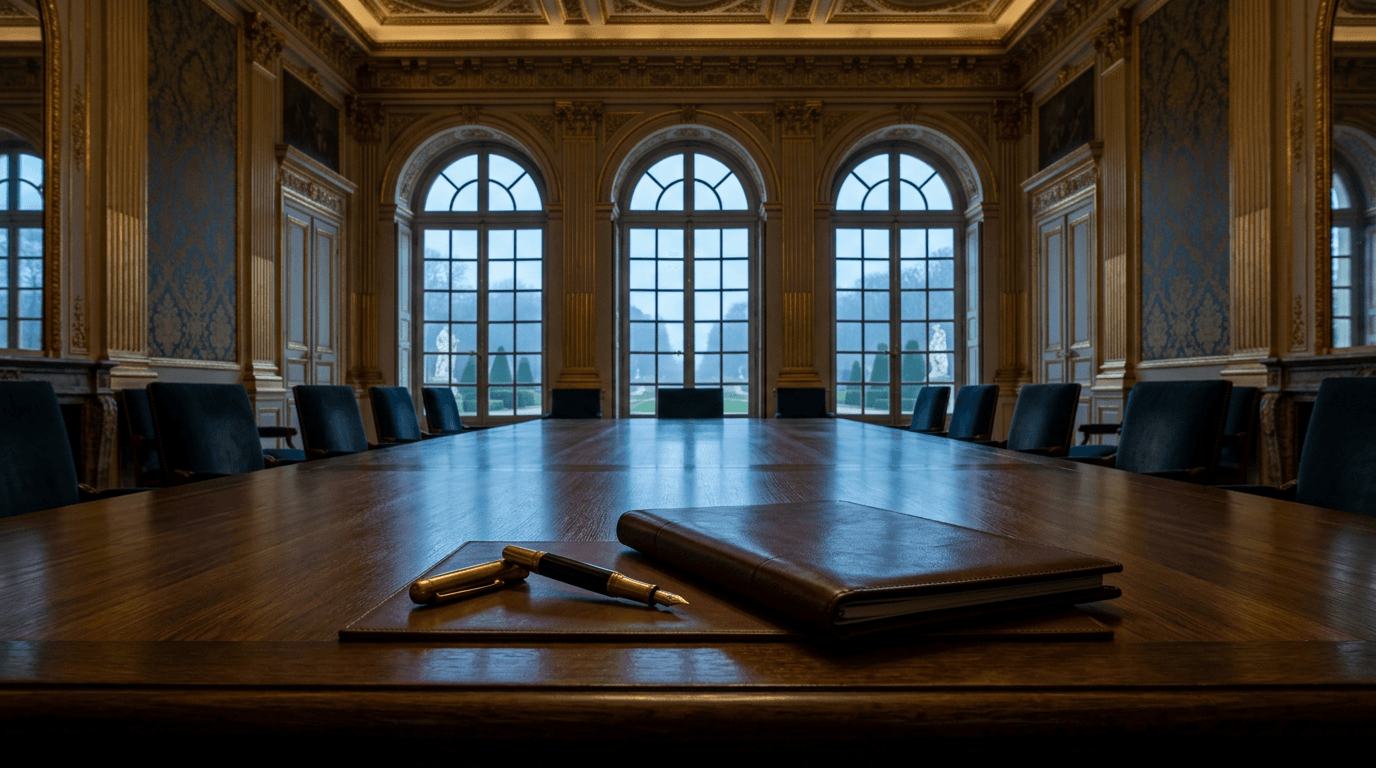
President Donald Trump and Iranian President Masoud Pezeshkian have signed a Memorandum of Understanding (MoU) intended to end the war that began in late February. The signing took place on Wednesday at the Palace of Versailles during the G7 summit, with both sides now entering a 60-day period to negotiate a final, comprehensive treaty. The White House and Iranian officials confirmed the document is in effect, marking a significant milestone in the diplomatic process between Washington and Tehran.
The diplomatic process between Washington and Tehran reached a definitive milestone as President Trump confirmed the signing of the bilateral memorandum at the Palace of Versailles. "It's signed. It's signed in Versailles," Trump stated, later adding a brief economic assessment: "Oil down, stocks up." While the White House has confirmed the document is now in effect, the final text included specific revisions to Clauses 1 and 5 requested by Iran, though the remainder of the 14-article framework remains largely consistent with previous drafts. The parties now have a 60-day window, which can be extended by mutual consent, to reach a final comprehensive treaty.
Strategic Ambiguity and Divergent Narratives Despite the formal signing, a significant gap persists in how both nations are presenting the accord. Senior Iranian officials have portrayed the agreement as a strategic victory that achieves key war objectives, specifically the preservation of Hezbollah and the securing of Iranian interests in the Strait of Hormuz. Conversely, U.S. officials describe the MoU as a framework for future negotiations rather than a final settlement with immediate economic concessions. According to material reviewed by The Zioneer Intelligence Desk, any future sanctions relief is intended to be tied to verifiable Iranian compliance and nuclear concessions, including the disposal of highly enriched uranium stockpiles.
Security Realities and Political Friction The signing has not immediately halted activity on the ground. The IDF and Hezbollah continue military activity in southern Lebanon, even as Iranian media claims the agreement requires an Israeli withdrawal—a claim not publicly supported by U.S. officials. Domestically, President Trump faces pushback from some Senate Republicans concerned about potential financial relief for Tehran and the administration's willingness to accept elements of Iran's ballistic missile program. Analysts note that the 60-day negotiation period will be the true test of whether the "Islamabad Agreement" framework can transition from a memorandum of understanding into a lasting regional settlement.
12 developments
- The Zioneer Intelligence Desk
- Trump, Pezeshkian sign US-Iran MoU overnight, both sides confirmEditorially linked
- US and Iran Formally Sign Memorandum of Understanding to End the WarEditorially linked
- Keren Bezalel photo shows Macron beside Pezeshkian at US-Iran MoU signing ceremonyEditorially linked
- Pezeshkian calls US-Iran agreement a 'great victory', rules out seeking nuclear weaponsEditorially linked