The Lead
President Donald Trump is reportedly preparing to issue an immediate executive order to lift the U.S. naval blockade on Iranian ports, a move specifically intended to prevent an imminent Iranian retaliatory attack on Israel. According to reports reviewed by The Zioneer Intelligence Desk on Saturday evening, the White House is signaling a transition from its doctrine of maximum military pressure to a posture of rapid economic and maritime de-escalation, provided a final diplomatic agreement is secured.
Strategic Shift to Prevent Escalation
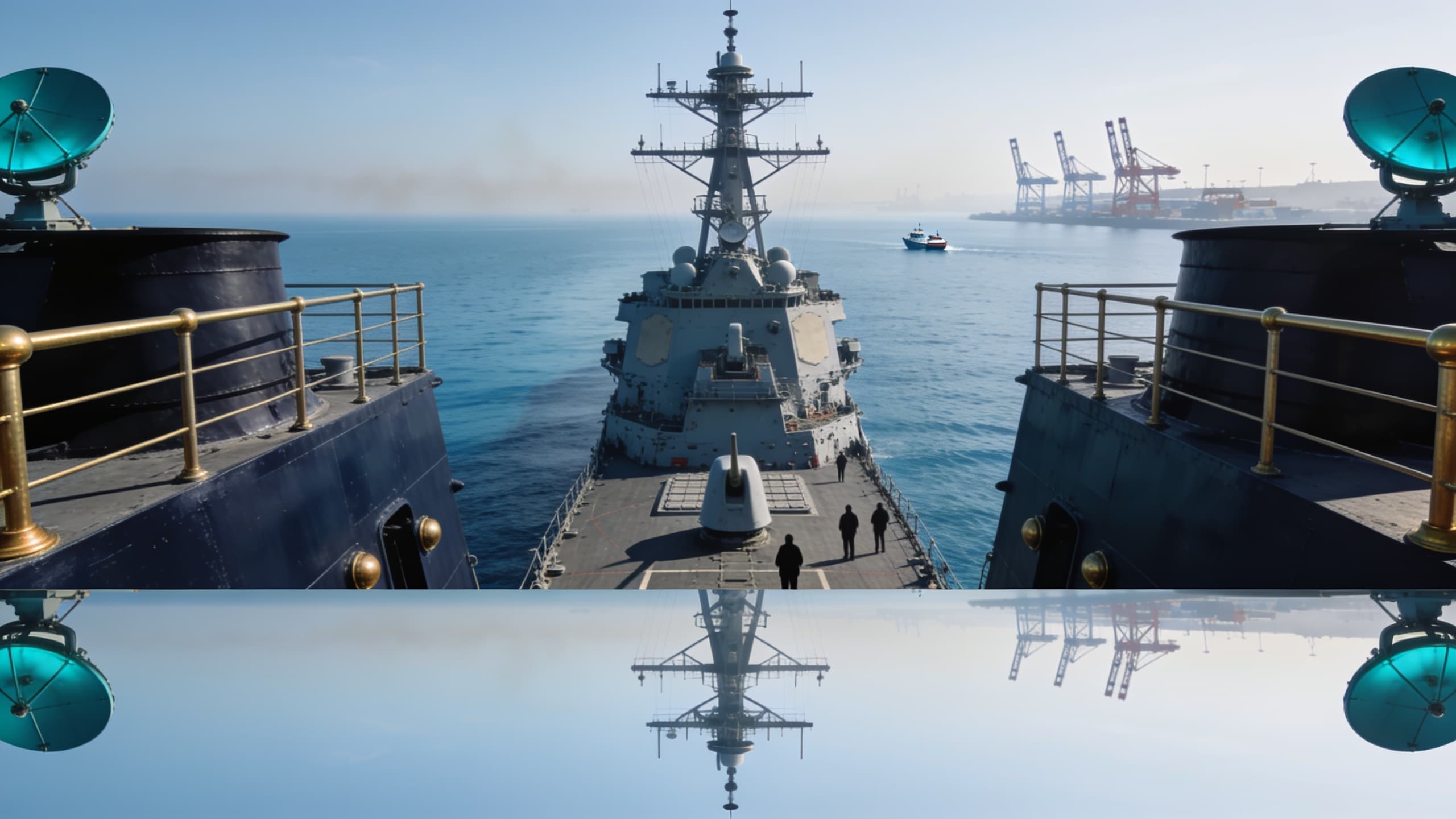
President Trump’s remarks to Fox News and subsequent reports from ynet emphasize a strict conditionality: the removal of the U.S. Navy’s blockade of Iranian ports is tethered directly to the formal signing of a diplomatic accord. This blockade, which has seen vessels like the USS Canberra patrolling the Arabian Sea to intercept traffic entering or exiting Iranian coastal areas, has been a primary lever in the administration's strategy. The latest intelligence indicates that the primary driver for the immediate lifting of these restrictions is the urgent need to dissuade Tehran from launching a direct strike on Israel following recent regional tensions.
Context of the 'Negotiating Under Fire' Doctrine
The current diplomatic flurry follows a period of intense military friction. Only days ago, the administration had formalized a policy of nightly strikes on Iranian targets to maintain pressure during negotiations—a doctrine described as "negotiating under fire." The potential deal reportedly includes provisions for the Strait of Hormuz to be declared "completely open" to international shipping, a move that would stabilize global energy markets. While Iran has signaled that differences are narrowing, the U.S. has maintained that the blockade would remain in "full force" until the peace deal is finalized.
Analysis: Verification and Security Gaps
At this stage, the situation is categorized as "Strong" based on the consistency of reports, yet several variables remain unverified. There is a notable gap between the White House's optimistic timeline—suggesting a deal could be signed as early as tonight—and the cautious signals from regional allies. Furthermore, U.S. intelligence cited by CNN suggests that while diplomacy advances, Iran has been fortifying its enriched uranium sites, collapsing tunnels and booby-trapping entrances to make access significantly more difficult.
Outlook for Israel and the Region
For Israel, the stakes of this diplomatic pivot are twofold. While the lifting of the blockade is framed as a preventative measure against an Iranian barrage, security officials remain wary of the long-term implications of sanctions relief. The Zioneer will continue to track whether this 'Wall to No Nuclear Weapon,' as Trump describes it, provides the promised security or if the removal of naval pressure emboldens Iranian proxies, such as Hezbollah, which continues to launch rocket and drone attacks across Israel's northern border despite the progress in Washington.
3 developments
- Trump Pushes Iran Toward Talks via Diplomatic Backchannel — Israeli Sources Assess Next PhaseEditorially linked
- Trump Threatens to 'Wipe Iran Off the Face of the Earth' Amid Claims of Peace BreakthroughEditorially linked
- Report: Third Oil Tanker Departs Iran, Bypassing U.S. Naval BlockadeRelated analysis
- Trump Announces Agreement with Iran as IDF Launches Operation 'Kolavia'Related analysis
- The Zioneer releases second chapter of Netanyahu's Oct. 7 account; details first hours and Jericho Wall concealment
- Video appears to show US sinking five Iranian oil tankers in retaliation for destroyer attack
- Houthi capture of Camp Khalid, Hayz reshapes Red Sea security balance, analysis finds
- IRGC Reportedly Launches Missiles Toward Strait of Hormuz