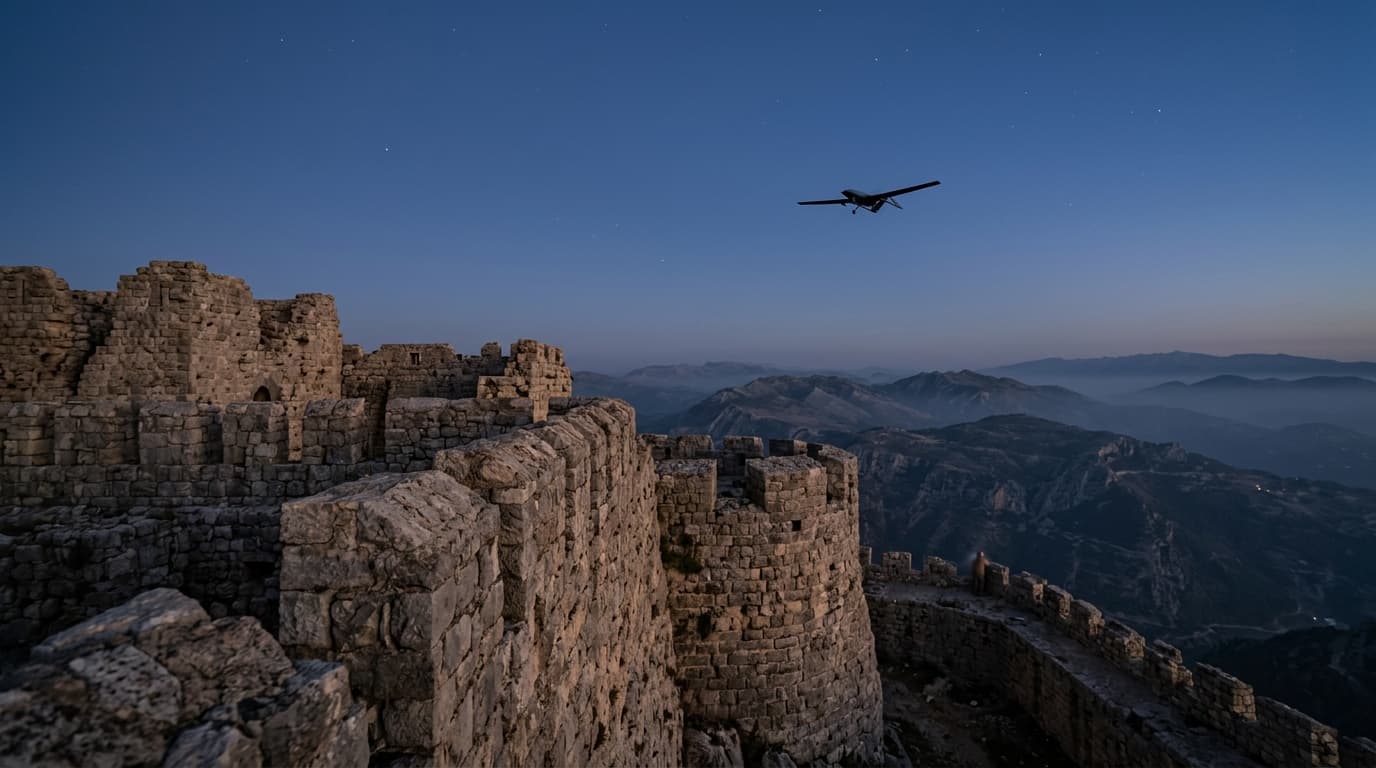
IDF Chief of Staff Lt. Gen. Eyal Zamir conducted a situational assessment Sunday in southern Lebanon alongside Northern Command and brigade commanders. He described the declared ceasefire as fragile, ordered high readiness for renewed combat, and praised the 401st Brigade's resilience. Zamir stated Hezbollah is in a very difficult position after the neutralization of a tier of mid-level command in the Badr Units.
Sunday evening, IDF Chief of Staff Lt. Gen. Eyal Zamir concluded a situation assessment in southern Lebanon, reiterating that the declared ceasefire is fragile and warning that all IDF resources are allocated for a rapid return to combat if required. Zamir disclosed that over the past two days the IDF has neutralized a tier of mid-level command in Hezbollah's Badr Units, singling out the 401st Brigade for its resilience. It was Zamir's second visit to the front in recent days; the first, earlier Sunday, was reported by The Zioneer at 17:00 Jerusalem as his initial tour with brigade commanders, during which he also called the ceasefire fragile and noted Hezbollah's weakened state. That report stated Zamir had said Hezbollah is in a 'very difficult situation' after the killing of several mid-level commanders. The new evening assessment amplifies those themes and adds operational detail on the command strikes and a specific brigade commendation.
The thread began with a different chief of staff: on Sunday June 14, at 17:01 Jerusalem, The Zioneer reported that then-IDF Chief of Staff Lt. Gen. Herzi Halevi toured the Ali Taher and Beaufort Castle areas, describing the complex as a 20-year Hezbollah underground fortress and warning that the ceasefire 'is fragile.' Halevi's visit was framed as a demonstration of Israeli determination to maintain operational freedom. Zamir's two appearances on June 21 effectively inherit and strengthen Halevi's warning. The Zioneer's June 14 background also shows that the IDF was simultaneously deepening ground maneuvers as talks continued, with Halevi stating that military pressure serves as leverage for U.S.-mediated security negotiations.
As The Zioneer reported, the Ali Taher and Beaufort compounds are described by the IDF as a subterranean military network built by Hezbollah over two decades. The IDF maintains control of the Ali Taher compound, and by the evening of June 20 The Zioneer reported that Hezbollah operatives were trapped there despite a ceasefire order. Zamir's Sunday references to ongoing operations confirm that dismantling of the underground infrastructure continues alongside the diplomatic framework. The broader backdrop, reported on June 14, includes high alert for potential Iranian missile fire following an IDF strike in Beirut, and a systematic campaign to decapitate Hezbollah field command — with successors reportedly killed within hours of appointment.
Zamir did not specify how long the current operational momentum is expected to last, nor did he tie a timeline to the 'high readiness' for renewed combat. The IDF statement also did not address whether the ceasefire's fragile status has prompted any change in diplomatic talks or U.S. mediation efforts. The precise condition of the Badr Units command tier post-neutralization and the number of remaining mid-level commanders remain unverified.
7 developments
Source and signal
- Open-source intake