The Lead
A senior Iranian official stated on Sunday that President Donald Trump's recent public statements contradict interim understandings reached between Washington and Tehran. The official claimed that Iran was promised immediate access to funds and that the Strait of Hormuz would remain under Iranian control through a specific 'commission' mechanism, signaling a significant gap in the interpretation of the emerging agreement.
Diverging Narratives
The diplomatic push for a final agreement between the United States and Iran has hit a public snag as Tehran challenges the narrative presented by the Trump administration. According to a senior Iranian official, the terms currently being discussed publicly by President Trump—specifically regarding the reopening of the Strait of Hormuz without tolls—do not align with the 'interim understandings' presented to Iranian negotiators. The official emphasized that Tehran expects immediate financial relief and maintains that the strategic waterway must remain under its jurisdiction, managed via a commission or toll system. This contradicts President Trump's earlier assertions that the deal would include the 'complete, immediate, and safe opening' of the strait for international shipping without such fees.
The Israeli Position and the Lebanon Front
In Jerusalem, the reaction to the developing U.S.-Iran framework is one of deep caution. While Israeli officials have avoided public confrontation with the Trump administration, private skepticism remains high. A senior Israeli official reportedly described the emerging deal as a 'shitty agreement,' fearing it allows Iran to stabilize its economy through oil sales without making permanent nuclear concessions.
Crucially, the agreement appears to include a ceasefire framework for Lebanon. While Iranian-backed Hezbollah has indicated through Lebanese intermediaries that it expects an Israeli withdrawal from southern Lebanon, Israeli security sources maintain that the IDF will not vacate the established security zone under the current agreement framework. Israel has signaled that it will preserve its right to self-defense, including the right to strike emerging threats in Lebanon, regardless of the Washington-Tehran memorandum.
Strategic Stakes at the Strait
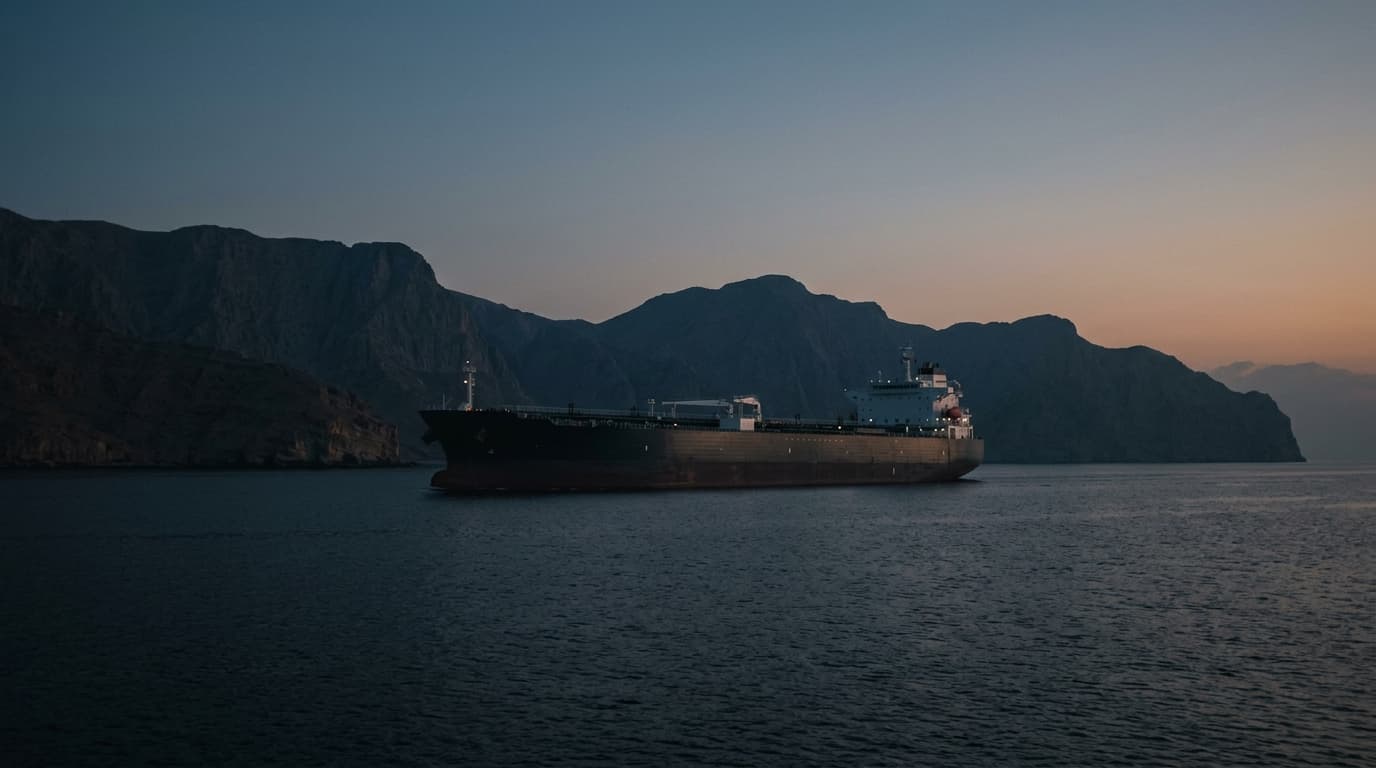
The Strait of Hormuz remains the primary point of friction. While President Trump has signaled that a deal is 'largely negotiated' and would see the waterway 'fully open and ready for business,' the Iranian Foreign Ministry has continued to insist on its sovereignty over the passage. The demand for a 'commission mechanism' suggests Iran is seeking to institutionalize its ability to collect revenue from global maritime traffic, a move that would likely face stiff opposition from international shipping interests and the U.S. defense establishment.
Outlook
As the deadline for a final signing approaches, the primary challenge remains the 'unification of fronts.' Israel is determined to ensure that any deal with Iran does not prevent it from addressing Hezbollah's presence on its northern border. Meanwhile, the discrepancy between Trump’s public confidence and Tehran’s specific demands for cash and maritime control suggests that the final details of the 'Islamabad Agreement' are far from settled. Observers should watch for whether the U.S. provides the 'immediate funds' Iran claims were promised, which would mark a significant shift in the leverage balance.
- US Official: Iran Notifies Washington it Will Not Collect Strait of Hormuz TollsEditorially linked
- Iranian Negotiator Marandi Denies Trump Claim, Says US Sought Doha MeetingEditorially linked
- Iranian Negotiating Team Member Warns: 'You Will Pay at Hormuz — That Is Final'Related analysis
- Trump: Deal Includes Immediate Opening of Strait of Hormuz; Iran Denies Any AgreementRelated analysis
- Fox News reports Iran struck US-contracted vessel near Strait of Hormuz, minor injuries
- Four Jerusalem men convicted in Iran-linked nuclear scientist plot; none guilty of assassination
- Footage captures attempt to intercept drones over Grand Mosque in Mecca
- Houthis reportedly tell US they will spare Israeli, American ships but target Saudi vessels