The Lead
President Donald Trump announced early Wednesday that a comprehensive peace agreement with the Islamic Republic of Iran has been finalized, marking a dramatic shift in the regional security landscape. In a statement released shortly after midnight, the President authorized the immediate, toll-free reopening of the Strait of Hormuz and the removal of the United States naval blockade that has restricted Iranian ports for months. The announcement was bolstered by confirmation from the Prime Minister of Pakistan, who noted that the deal includes a critical ceasefire component for the conflict in Lebanon.
The Announcement and Maritime De-escalation
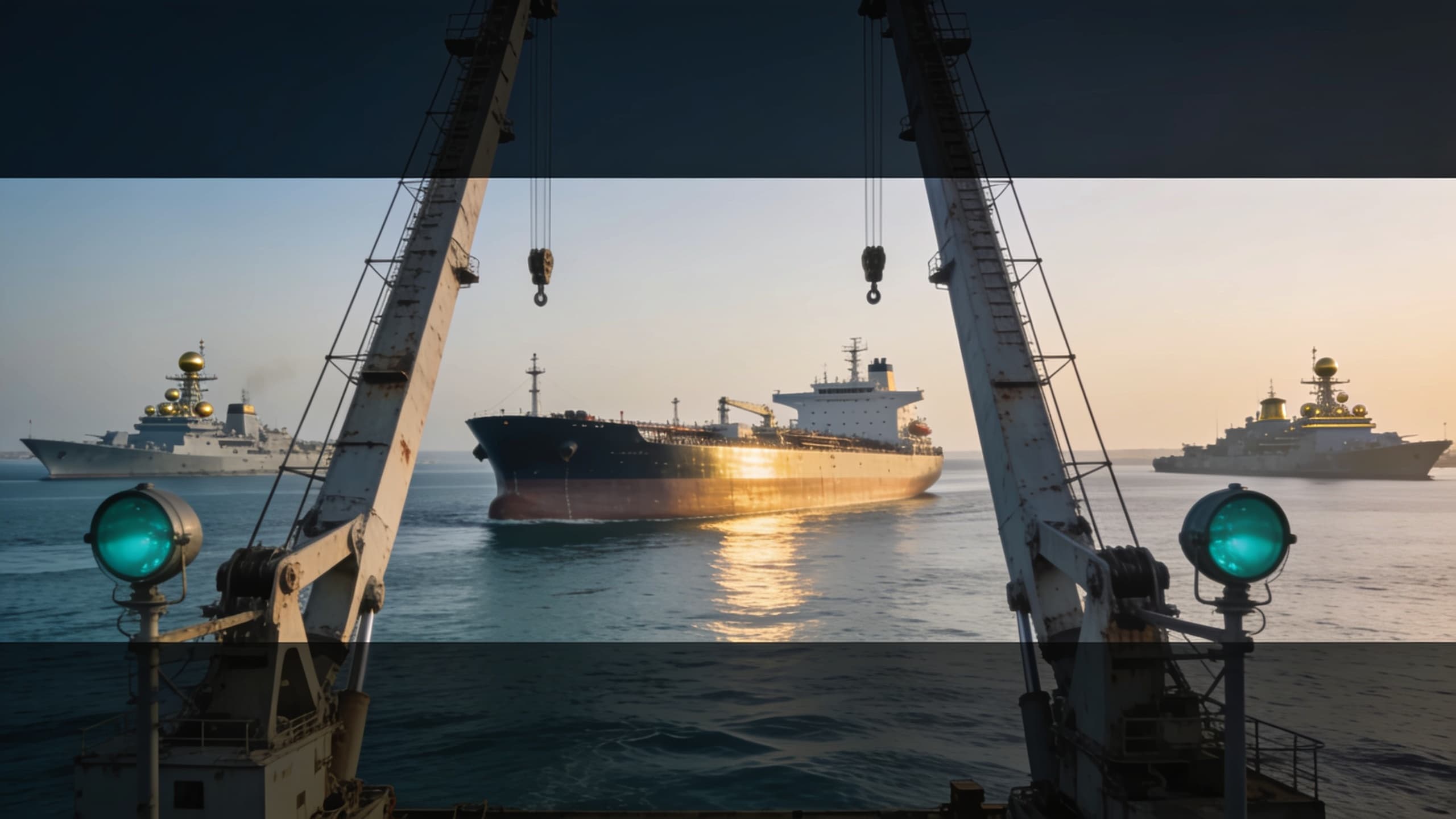
President Trump’s declaration, issued at approximately 00:31 Jerusalem time, signals the conclusion of high-stakes negotiations that have dominated the diplomatic agenda for weeks. "The Deal with the Islamic Republic of Iran is now complete," the President stated, adding that he has fully authorized ships of the world to resume transit through the Strait of Hormuz. The lifting of the U.S. naval blockade is intended to allow the immediate flow of oil, a move expected to have significant impacts on global energy markets.
This development follows a period of intense pressure and conflicting signals. As recently as April, Iranian officials such as Mohammad Bagher Ghalibaf had claimed that reopening the strategic chokepoint was "impossible" while the U.S. blockade persisted. The sudden shift to a completed deal suggests a breakthrough in the "Islamabad Agreement" framework that The Zioneer has tracked since early June.
Regional Implications and the Lebanon Front
Crucially, the Prime Minister of Pakistan confirmed that the peace deal is not limited to U.S.-Iran maritime and economic relations but extends to the ongoing conflict in Lebanon. This "Lebanon truce component" addresses a primary concern for Israeli security officials, who have previously warned against decoupling the Iranian nuclear and regional threat from the activities of Hezbollah on Israel's northern border.
According to material reviewed by The Zioneer Intelligence Desk, a formal signing ceremony is reportedly scheduled for June 19 in Switzerland. This timeline aligns with earlier reports of a 60-day preliminary ceasefire intended to stabilize the region before the implementation of more permanent treaty terms.
Analysis: Verification and Strategic Gaps
While the President’s announcement is definitive in its tone, the situation remains categorized as "Developing" by The Zioneer Intelligence Desk. Official confirmation from the Iranian leadership in Tehran has not yet been synchronized with the White House statement. Furthermore, the exact terms regarding Iran's nuclear program—which Trump previously insisted would be addressed by ensuring Iran "never" attains such weapons—remain undisclosed in the immediate aftermath of the announcement.
For Israel, the deal presents a complex reality. While a Lebanon truce could provide much-needed relief for northern communities, the lifting of the naval blockade and the reopening of the Strait of Hormuz provide Iran with an immediate economic lifeline. Analysts are closely watching for the IDF's response, particularly given the high-alert status maintained following recent operations in Beirut and the skepticism expressed by some Israeli officials regarding the long-term reliability of Iranian commitments.
What to Watch Next
The immediate focus will be on the physical movement of naval assets in the Persian Gulf. If U.S. Centcom confirms the withdrawal of blockade forces, it will serve as the first tangible verification of the President's order. Additionally, the international community awaits a formal response from Jerusalem, where the government must weigh the benefits of a regional ceasefire against the risks of a resurgent, sanctioned-relieved Iranian economy.
3 developments
- The Times of Israel / N12 / Trump social media post
- The Zioneer Intelligence Desk
- Trump: Strait of Hormuz Fully Open by Friday, Iran Will Not Get Nuclear WeaponsEditorially linked
- Al-Hadath: US, Iran to Virtually Sign MOU; Vance and Qalibaf to AttendEditorially linked
- Trump says Iran deal signed in full, northern residents demand answers from NetanyahuEditorially linked
- Iran's Supreme National Security Council Declares Permanent End to War on All FrontsEditorially linked
- Fox News: US officials say strikes on Iranian oil tankers part of economic campaign
- Iran's Khatam al-Anbiya commander pledges to strike US bases in the region
- Chief of Staff Zamir announces new IDF Robotics, Unmanned Vehicles and AI Branch
- NASA satellite data confirms large-scale Houthi attack on Saudi Arabia