The Lead
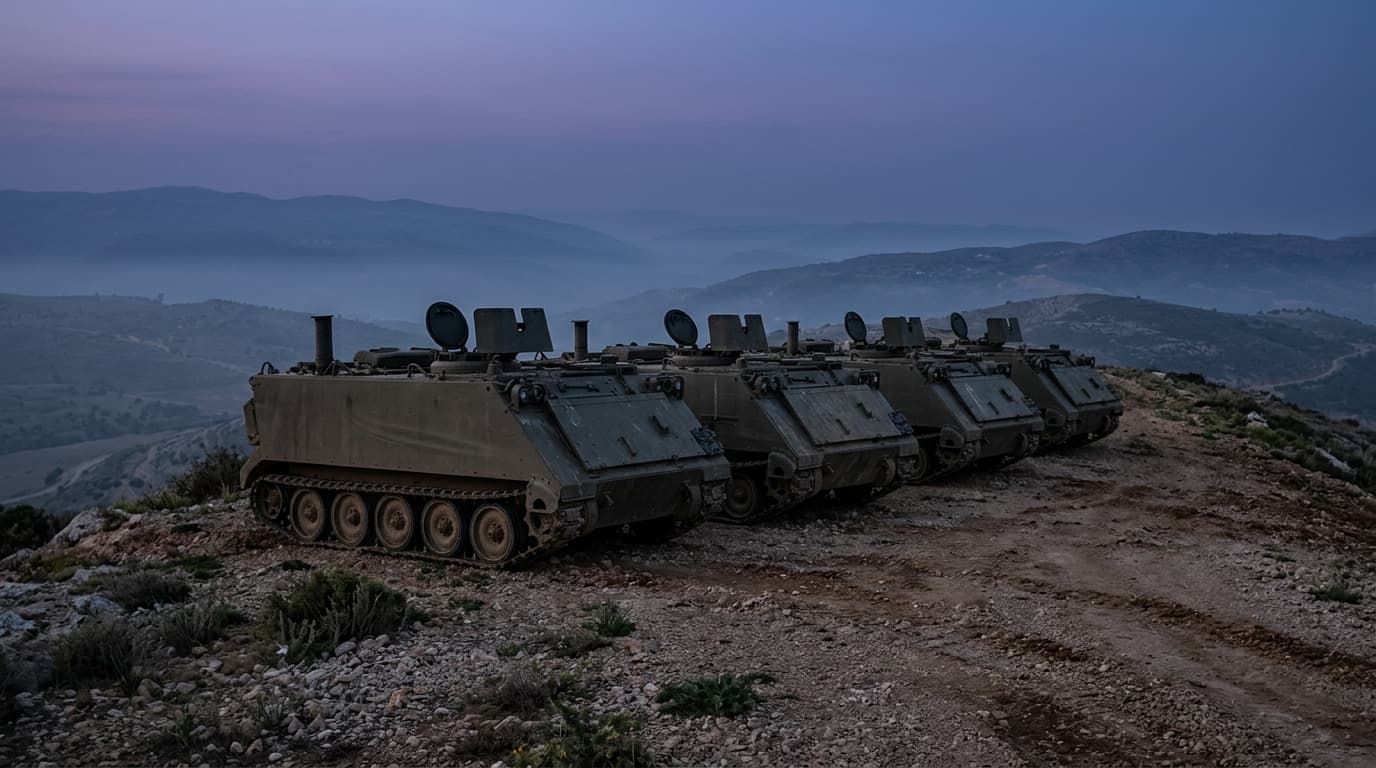
The Israel Defense Forces has implemented a dramatic tightening of its fire policy in Lebanon, shifting the authority for strikes from field commanders to the highest levels of the military and political hierarchy. According to reports confirmed by military sources on Sunday morning, operations that previously required only division or corps-level approval now necessitate personal authorization from the IDF Chief of Staff, and in some instances, the political echelon. This restriction, which has reportedly reduced Israeli strikes in southern Lebanon to nearly zero, was enacted early last week—prior to the deaths of five soldiers over the weekend and the signing of the U.S.-Iran memorandum of understanding.
The reported tightening of the IDF's rules of engagement marks a significant shift in the management of the northern front. While Israeli officials have previously maintained that the military enjoys full freedom of action in southern Lebanon, current reports indicate that this freedom has been sharply curtailed. The new directive, which reached Northern Command several days ago, effectively centralizes strike approvals at the General Staff level. This policy change follows a period of intense diplomatic pressure, particularly from the United States, as Washington sought to stabilize the region ahead of renewed nuclear talks with Iran in Switzerland.
Within the IDF, the new restrictions have sparked internal criticism. Military officers have expressed concern that the requirement for high-level approval—even for strikes in close proximity to ground forces—hampers the ability to neutralize Hezbollah threats and protect Israeli troops. This friction is underscored by the fact that the policy was in place during the weekend's heavy combat, which saw the loss of five Israeli soldiers. Analysts note that while strikes in Beirut's Dahiyeh and the Beqaa Valley had already been limited by American constraints, the extension of such strict oversight to southern Lebanon represents a new phase of operational restraint.
The timing of the directive suggests a close link to the broader strategic map involving the Trump administration and Tehran. The restriction was reportedly imposed after President Trump announced a pending deal with Iran, indicating a willingness to meet American demands for restraint in exchange for diplomatic progress. Despite the halt in proactive strikes, the IDF remains deployed in the southern Lebanon security zone and continues to respond to "immediate threats." However, the shift from proactive to reactive operations, as detailed in reports reviewed by The Zioneer Intelligence Desk, signals a transition toward a more defensive posture as diplomatic negotiations take precedence.
13 developments
- The Zioneer Intelligence Desk
- Political echelon orders: targeted strikes in Gaza now require Chief of Staff approvalShared subject
- Report: New US-Iran Lebanon Mechanism Excludes Israel, Limits IDF ResponseEditorially linked
- Political Echelon Orders IDF to Cease Fire in Southern LebanonShared subject
- NYT: IDF Commanders Sharply Limited in Lebanon, Troops May Fire Only Against Immediate ThreatShared subject