The Lead
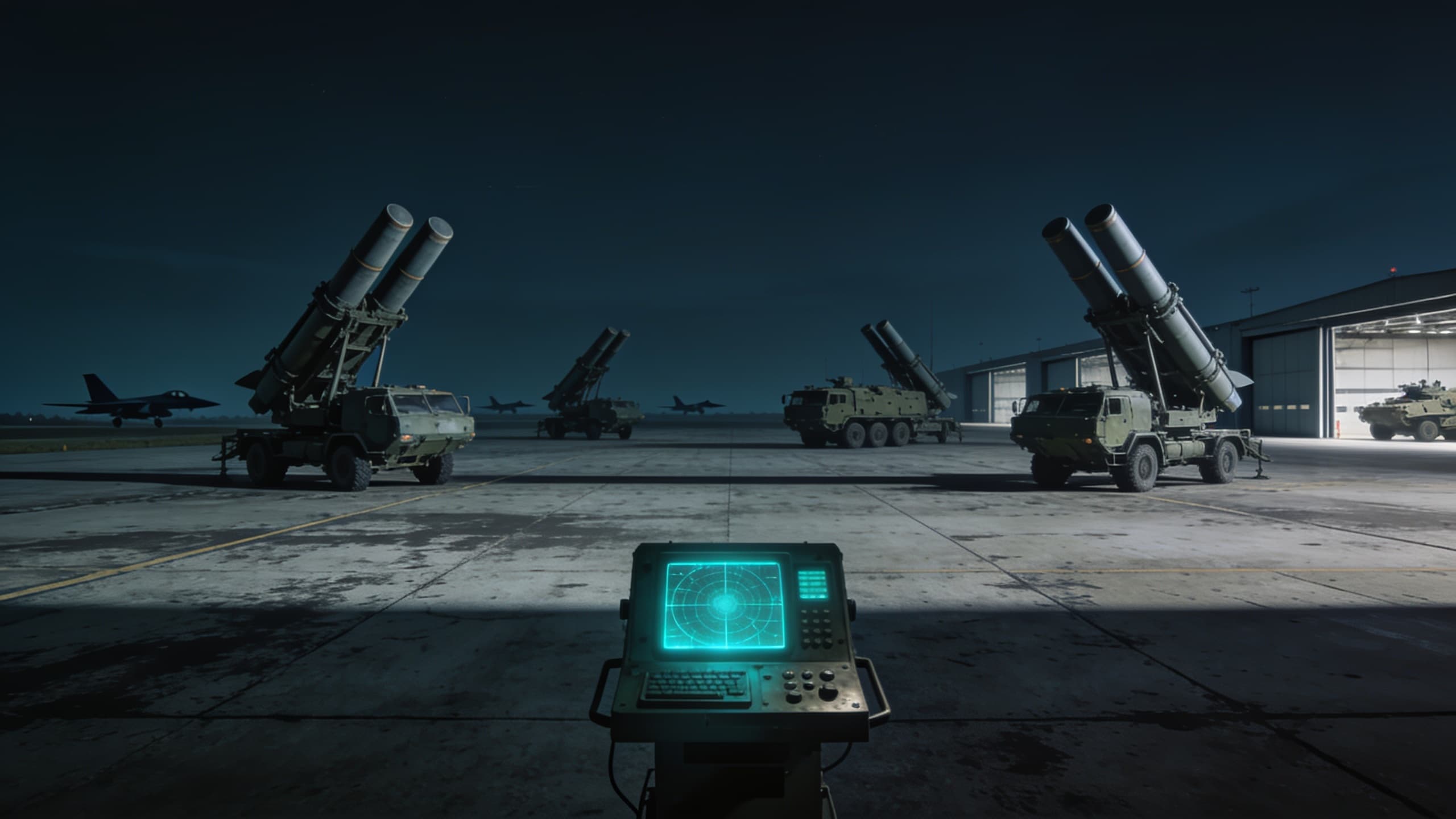
Ali Akbar Velayati, a senior advisor to Iran's Supreme Leader Ali Khamenei, issued a severe rhetorical escalation on Wednesday night, declaring that "zero hour has arrived" and that missile launchers have been placed in position for action. The statement, reviewed by The Zioneer Intelligence Desk, explicitly threatens to close the Strait of Hormuz and the Bab el-Mandeb strait—two of the world's most vital maritime chokepoints—in response to ongoing military pressure on Hezbollah in Lebanon.
The Threat of 'Strategic Suffocation'
In a statement that marks a sharp departure from recent diplomatic posturing, Ali Akbar Velayati characterized Israeli operations in Beirut as a "miscalculation" that has exhausted Tehran's patience. According to material reviewed by The Zioneer, Velayati asserted that the order for a response has been given, describing Hezbollah as an "inseparable fragment of the axis of resistance."
Velayati’s most potent threat targets the global economy. He warned that if the "fire of mischief" in Lebanon is not extinguished, Iran will utilize its geographical leverage over the Strait of Hormuz and the Bab el-Mandeb to "squeeze economic arteries to the point of strategic suffocation." This rhetoric implies a coordinated effort that could involve both direct Iranian naval power in the Persian Gulf and Houthi proxy forces in Yemen, who control the access to the Red Sea via the Bab el-Mandeb.
Context: Diplomacy Under Pressure
This development comes at a critical juncture. While Qatari negotiators remain in Tehran in direct coordination with the United States to maintain framework talks, the internal Iranian rhetoric has shifted toward military readiness. The Zioneer has previously reported on the Islamic Republic's oscillation between seeking a diplomatic breakthrough with the Trump administration and preparing for a direct kinetic confrontation.
Earlier tonight, Prime Minister Benjamin Netanyahu and President Donald Trump reportedly spoke as the U.S. administration works to finalize a regional agreement. However, the threats from Khamenei’s inner circle, combined with confirmed high-level GPS jamming across much of Israel, suggest that security establishments are preparing for the possibility of an imminent Iranian missile strike or maritime disruption despite the diplomatic track.
Analysis: Between Rhetoric and Reality
The Zioneer Intelligence Desk notes that the mention of the Bab el-Mandeb is a strategic expansion of the conflict. By linking the Lebanese front to the southern gateway of the Red Sea, Tehran is attempting to internationalize the crisis, threatening global energy markets to force a cessation of IDF activities against Hezbollah.
On the ground, the conflict remains active. The IDF confirmed today that one soldier was moderately wounded and another lightly wounded by Hezbollah rocket fire directed at troops in southern Lebanon. In Israel, the security cabinet meeting has concluded, and Defense Minister Israel Katz has announced the appointment of BG Hisham Ibrahim as his new Military Secretary, following the recommendation of Chief of Staff Eyal Zamir. These administrative and operational shifts occur as the region waits to see if Velayati's "zero hour" translates into a multi-front escalation or remains a tool of psychological warfare intended to improve Iran's leverage at the negotiating table.
7 developments
- The Zioneer Intelligence Desk
- Trump Tells Netanyahu He is 'Determined' to Sign Iran Deal as Qatar Presses for Immediate AgreementEditorially linked
- Iran Threatens Strait of Hormuz Closure and NPT Withdrawal Following Reported US StrikesShared subject
- Second Consecutive Night: US Completes New Wave of Strikes on Iran; Trump Issues Final UltimatumShared subject
- Somaliland opens embassy in Israel as president visits in historic firstEditorially linked
- At Gaza funeral, mourners chant 'Khaybar, Khaybar, oh Jews' and vow to repeat October 7
- Abu Ali Express: Houthi still controls Bab al-Mandab despite 'almost falling into the water'
- Houthis have captured Bab el-Mandeb Strait, Red Sea in their hands — Gplanet analysis cited by The Zioneer
- IDF Raises Alertness Ahead of Rosh Hashanah, Prepares for Multi-Front Scenario